Loading...
Serving East Honolulu, HI and surrounding areas. (808) 809-8779
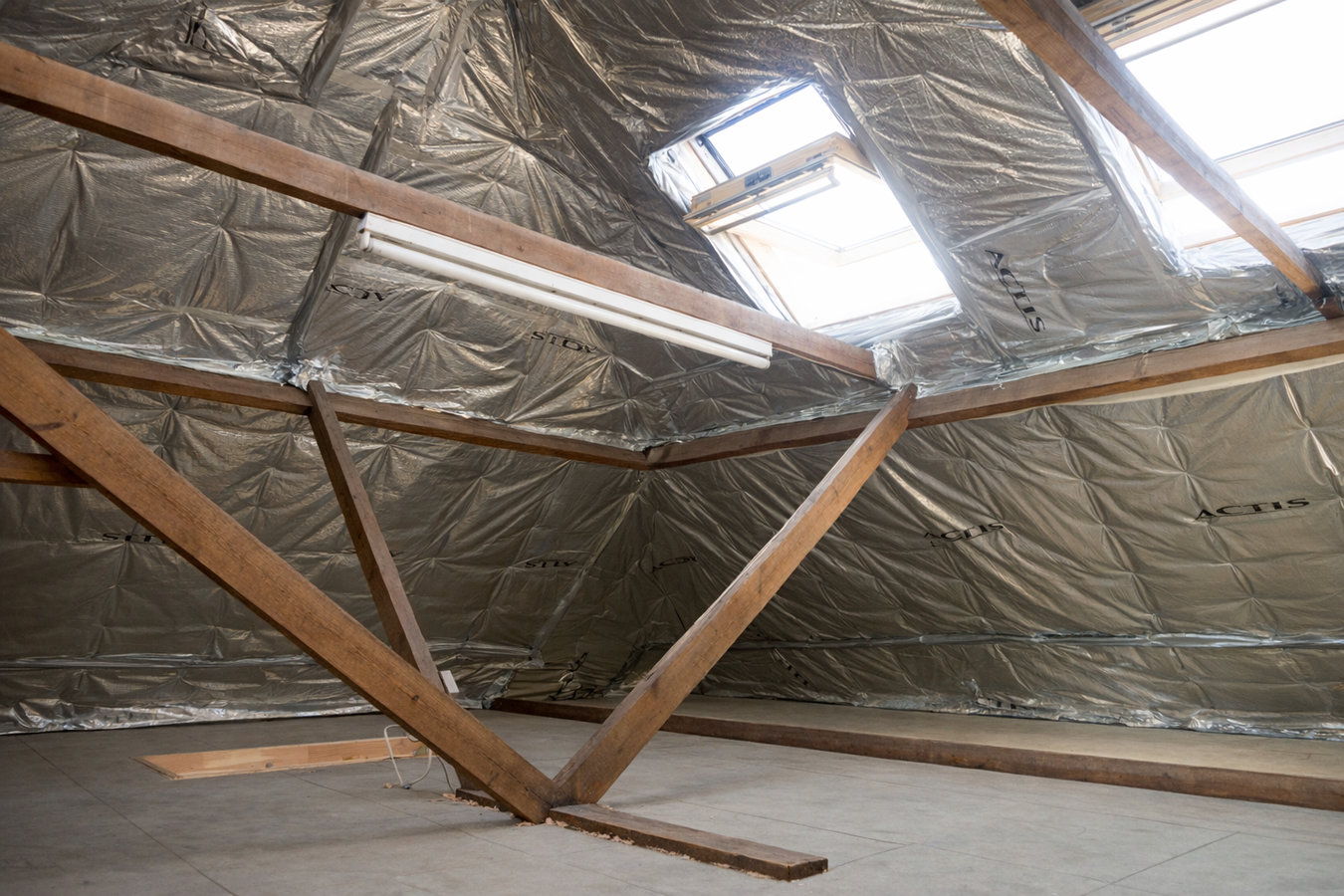
Your attic absorbs Hawaii's sun all day, then radiates that heat into your living spaces all evening. Proper attic insulation breaks that cycle - and in East Honolulu, the monthly savings on your electric bill start right away.
Attic insulation in East Honolulu acts as a thermal barrier between your sun-baked roof and your living space - most single-family home jobs are completed in one day, with no need to vacate the house. Without it, the intense heat that builds in your roof space radiates down through your ceiling, forcing your air conditioning to work harder all day and evening.
Unlike in cold-climate states where the goal is keeping warmth inside, East Honolulu homeowners are focused entirely on slowing incoming heat. That changes how a good contractor approaches the job - the right R-value for Hawaii is lower than what mainland guides recommend, and getting the amount right matters more than simply adding as much as possible. Combining attic insulation with blown-in insulation and proper attic air sealing gives you the most complete performance from your attic upgrade.
The federal government currently offers a tax credit for qualifying insulation upgrades - ask your contractor for documentation so you can claim it.
In East Honolulu's climate, heat builds up in the roof space and radiates downward into your living areas. If certain rooms feel stuffy or warm no matter how long the air conditioning runs, your attic insulation may not be doing its job. This is one of the most common and most noticeable signs that something needs attention.
Hawaii already has some of the highest electricity rates in the country, and a poorly insulated attic forces your cooling system to work harder than it should. If your bills have been creeping up, or are consistently higher than neighbors with similar homes, inadequate attic insulation is worth checking first.
If you have peeked into your attic hatch and seen bare wood, thin wisps of old material, or gaps around pipes and light fixtures, your insulation is not doing its job. Insulation that has settled, compressed, or been disturbed by pests loses much of its effectiveness. What you can see with your own eyes is often a reliable indicator.
A large share of East Honolulu homes were built during the post-war building boom, when insulation was minimal or skipped entirely. If you bought an older home and no one has ever assessed the attic, there is a real chance you are living with decades-old material - or none at all. This is especially worth checking if you have noticed any of the other signs on this list.
We install both blown-in loose-fill and batt insulation, and we match the right approach to your attic's layout and existing condition. Blown-in material fills corners and irregular spaces more completely, which is why we prefer it for most existing East Honolulu homes - especially those with complicated attic layouts or areas that have never been fully covered. Before any material goes in, we seal gaps around light fixtures, pipes, and other penetrations in the attic floor. Skipping this air sealing step is one of the most common reasons homeowners don't feel the full benefit of new insulation.
We also assess ventilation as part of every job. East Honolulu's humid trade wind climate means moisture can accumulate in poorly ventilated attic spaces - and insulation installed over a moisture problem will lose its effectiveness and potentially create mold conditions. If we find a moisture or ventilation issue during the assessment, we explain it clearly and address it before installing new material. Old insulation that is damaged, contaminated, or too degraded to be effective is removed first.
Fills irregular spaces completely - our preferred method for most existing East Honolulu homes.
Pre-cut panels that work well in attics with clear, open spaces between ceiling joists.
Gaps around fixtures and penetrations are sealed before insulation is installed - a step most contractors skip.
Damaged or contaminated material is removed first when needed, ensuring a clean, effective result.
East Honolulu's climate is the opposite of what most insulation guides are written for. Here, the challenge is blocking heat coming in - not trapping warmth inside. The Hawaii State Energy Office recommends lower R-values than cold-climate states, which means a contractor applying mainland rules of thumb may either over-install or install the wrong material for your roof's specific ventilation setup. We know Hawaii's climate zone requirements and apply them directly to every job we take on.
The high humidity and consistent trade winds that flow through Kaneohe and Kailua into East Honolulu carry moisture that accumulates in attic spaces over time. This is not a problem you see coming - it shows up as a musty smell, a stain on the ceiling, or insulation that has quietly lost all its effectiveness. We inspect for exactly this during every assessment, because addressing ventilation and moisture before installing new material is the only way to make sure it actually lasts.
We respond within 1 business day. We ask a few basic questions about your home and schedule an assessment visit - typically within a few days. You don't need to prepare anything special for this first call.
A technician physically inspects your attic - checking what is there now, looking for signs of moisture or pest damage, assessing ventilation, and measuring the space. This step is where we earn our estimate. You are welcome to ask questions throughout.
You receive a written estimate explaining what work is recommended, why, and exactly what it costs. We spell out whether air sealing and old material removal are included. No pressure to sign immediately - getting a second quote is completely reasonable.
The crew seals gaps and penetrations first, then installs the insulation. Most single-family home jobs are finished in one day. We walk you through what was done and can show you photos of the completed attic. No curing period - your home is ready right away.
We respond within 1 business day - no obligation, no pressure. After you submit, someone from our office will call to schedule a free on-site estimate. We will inspect your attic, check for any moisture issues, and give you a written quote before any work begins.
(808) 809-8779Our crews work on Oahu attics every day and give you a clear written scope before starting. You know exactly who is working in your home and what the job involves from the start.
We apply Hawaii's recommended R-values for Climate Zone 1 - not mainland guides that recommend excess material for cold-weather performance. Installing the right amount for your specific attic, not just the maximum, gives you better performance and avoids ventilation problems.
East Honolulu's humidity creates real attic moisture risk. Every assessment includes a ventilation check and a look for moisture damage before a single piece of insulation goes in. We address problems rather than insulate over them.
We assess your attic in person and provide a written estimate at no charge. You have a clear, itemized quote before you commit to anything - including documentation to support a federal tax credit claim.
We built our process around the specific concerns East Honolulu homeowners raise - cost transparency, moisture risk, and getting the climate-zone math right. Learn more about our credentials and approach on our About page.
See the U.S. Department of Energy recommended R-values guide and ENERGY STAR federal tax credit details for additional reference.
Blown-in material fills irregular attic cavities completely - the preferred method for most existing East Honolulu homes with complex layouts.
Learn moreSealing gaps around fixtures and penetrations before insulation goes in ensures you capture the full benefit of your attic upgrade.
Learn moreEast Honolulu summers are not getting cooler - lock in your installation date before the busy season fills up.