Loading...
Serving East Honolulu, HI and surrounding areas. (808) 809-8779
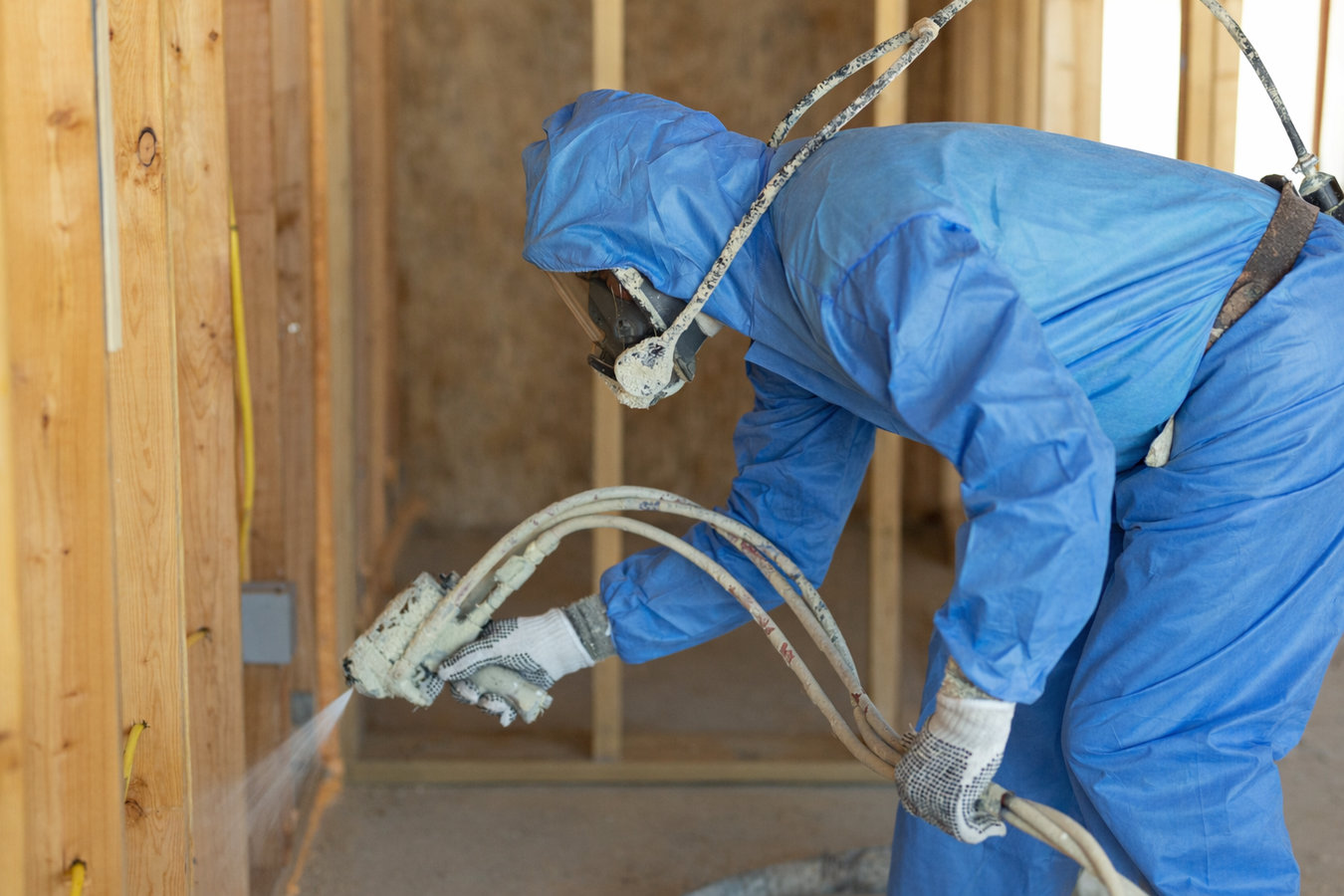
Honolulu Insulation provides spray foam, attic, and blown-in insulation to homeowners across Honolulu - reducing electricity bills in one of the highest-cost power markets in the country, with experienced crews and free written estimates on every job.
Honolulu's year-round humidity and salt air create ideal conditions for moisture infiltration through gaps in walls, attic floors, and roof decks. Spray foam insulation expands to fill every opening it contacts, sealing the home's envelope and insulating in one pass - a particularly effective combination for Honolulu's concrete block construction where wall cavities are non-standard.
Honolulu's intense UV exposure heats rooftops to temperatures well above air temperature by early afternoon. Homes in neighborhoods like Manoa, Kaimuki, and Palama that have original or no attic insulation absorb that heat directly into their living spaces, forcing air conditioning to run harder and longer throughout the day.
Honolulu's older bungalows and concrete block homes often have attic framing layouts that make batt installation difficult or incomplete. Blown-in loose-fill material covers irregular shapes, settles around obstacles, and delivers consistent depth across the entire attic floor - including the eave areas where heat enters most easily.
Many Honolulu homes were built with jalousie windows and open-air ventilation strategies that made sense in a different era but create significant air leakage today. Sealing attic bypasses, wall penetrations, and gaps around plumbing and electrical fixtures prevents conditioned air from escaping and humid outdoor air from pushing in.
Honolulu's termite pressure is among the highest in the country, and older homes regularly have insulation that has been compromised by pest activity or moisture from valley rainfall. Removing damaged material before installing new insulation is a necessary first step in these situations, not an optional add-on.
Honolulu neighborhoods in lower valleys receive significantly more rainfall than coastal areas, and ground moisture under pier-and-beam homes is a persistent issue. A vapor barrier installed under the floor keeps that moisture from migrating into the subfloor, insulation, and lower wall cavities where it causes long-term damage.
Honolulu's housing stock spans a wider range of construction types than most mainland cities of comparable size. Waikiki and Ala Moana are defined by high-rise concrete condominiums built in the 1970s and 1980s with aging mechanical systems and unit interiors that have been renovated piecemeal over decades. Kaimuki and Manoa hold older single-family bungalows and craftsman-style homes on narrow lots, many of them built with concrete block construction and jalousie windows that seal poorly by modern standards. Hawaii Kai, at the eastern edge, is newer and suburban but still deals with salt air off the ocean and homes now old enough to need their original materials reconsidered. A contractor who approaches all of these as the same job will miss what each one actually needs.
Honolulu's climate adds complexity beyond the building stock. Manoa Valley receives over 150 inches of rain per year - a number that matters because excess moisture from that rainfall works its way into attics, crawl spaces, and wall cavities in homes throughout the valley and the neighborhoods below it. Termites are active year-round in Honolulu and have damaged the wood framing of a significant portion of the city's older homes, which means insulation assessments must include checking for structural compromise before new material goes in. Hawaii consistently posts the highest residential electricity rates in the country, so every insulation improvement has a direct financial payback that homeowners here feel more immediately than almost anywhere else.
We work across Honolulu's full range of property types - from concrete block bungalows in Kaimuki to high-rise condos near Waikiki to post-war single-family homes in Manoa. We pull permits through the City and County of Honolulu Department of Planning and Permitting and know which scopes require them. Honolulu's diverse building stock means no two jobs are the same - a Kaimuki bungalow with original wood framing and jalousie windows is a fundamentally different project from a 1970s concrete block home in Palama or a condo unit near Ala Moana - and we approach each one on its own terms.
We are familiar with Manoa's rainfall-driven moisture challenges, the salt-air corrosion that affects properties along the coast from Diamond Head to Pearl Harbor, and the termite damage that contractors encounter regularly in older Honolulu neighborhoods. We also serve the communities adjacent to Honolulu, including Halawa and East Honolulu, so if your household spans different parts of the island, we can help across all of it.
Call or submit a message online and we will reply within one business day. We will ask about your home type, age, and which areas concern you - whether that is an overheating attic, climbing electric bills, or older insulation you have never had checked.
We come to your Honolulu property, inspect the attic, walls, or crawl space, and check for moisture, pest damage, and ventilation issues before recommending anything. This visit is free and comes with no pressure to commit.
You receive a written estimate explaining exactly what will be installed, what type and amount of material is involved, and the total cost. We also tell you upfront whether your project qualifies for Hawaii Energy rebates and whether a permit is needed.
Installation takes one to two days for most Honolulu homes. When the work is done, we walk you through what was completed and provide all documentation needed for rebate claims or permit sign-off.
We serve homeowners across Honolulu - from Manoa to Waikiki to Kaimuki - with free assessments, written estimates, and crews who understand Hawaii's specific building conditions. We reply within one business day.
(808) 809-8779Honolulu is the capital and largest city in Hawaii, with roughly 350,000 residents in the city proper and nearly one million people living on Oahu overall. The city's neighborhoods cover a wide range of characters and building types. Waikiki is the world-famous beach district, lined with high-rise hotels and condominiums along the waterfront. Kaimuki is a walkable, older residential neighborhood known for its craftsman bungalows and local dining. Manoa sits in a deep valley behind the University of Hawaii campus and receives extraordinary rainfall compared to the coast - a fact that shapes every home service project in the area. Kakaako and Ala Moana are closer to downtown and feature a mix of older low-rise buildings and newer condominium towers built in the redevelopment of the past two decades. The iconic Diamond Head State Monument rises above the eastern edge of Waikiki and is a landmark visible from much of the city.
Most of Honolulu's housing stock was built between the 1950s and 1980s - a period when insulation was rarely prioritized in Hawaii's mild-weather reputation. Concrete block construction is common throughout the city, and many older single-family homes still have original jalousie windows and minimal wall insulation. High-rise condominiums from the 1970s have aging mechanical systems and unit interiors that have been modified over many years. Honolulu home values are among the highest in the United States, giving homeowners a strong financial reason to maintain and protect their properties. We also serve the surrounding communities of Pearl City and Aiea, and we know how conditions differ from one part of the island to the next.
Expands to seal gaps and create an airtight thermal barrier in walls, roofs, and crawl spaces.
Learn moreReduces heat gain and energy loss through the attic with professional installation.
Learn moreLoose-fill material blown into attics and wall cavities for thorough, even coverage.
Learn moreSafe removal of old, damaged, or contaminated insulation before new installation.
Learn moreInsulates beneath your home to improve comfort and prevent moisture-related issues.
Learn moreImproves interior comfort and energy efficiency by insulating exterior and interior walls.
Learn moreSeals drafts and air leaks to maximize the effectiveness of your insulation.
Learn moreKeeps basement spaces conditioned and protected from moisture infiltration.
Learn moreHigh-density spray foam offering superior R-value and moisture resistance.
Learn moreLightweight, flexible spray foam ideal for interior walls and sound dampening.
Learn moreInsulation solutions for commercial buildings, warehouses, and retail spaces.
Learn moreHeavy-duty plastic sheeting installed to block ground moisture in crawl spaces.
Learn morePrevents moisture intrusion in walls, floors, and foundations throughout your home.
Learn moreTargets attic bypasses and penetrations to stop conditioned air from escaping.
Learn moreAdds insulation to existing structures without major renovation or disruption.
Learn moreServing these cities and communities.
Hawaii's electricity costs mean every day without proper insulation costs you money. Call us now or send a message and we will schedule your free Honolulu assessment.