Loading...
Serving East Honolulu, HI and surrounding areas. (808) 809-8779
Honolulu Insulation serves Aiea with blown-in insulation, attic insulation, and spray foam - helping owners of postwar hillside homes built in the 1950s through 1980s cut cooling costs and block Pearl Harbor-area humidity, with free written estimates and a response within 1 business day.
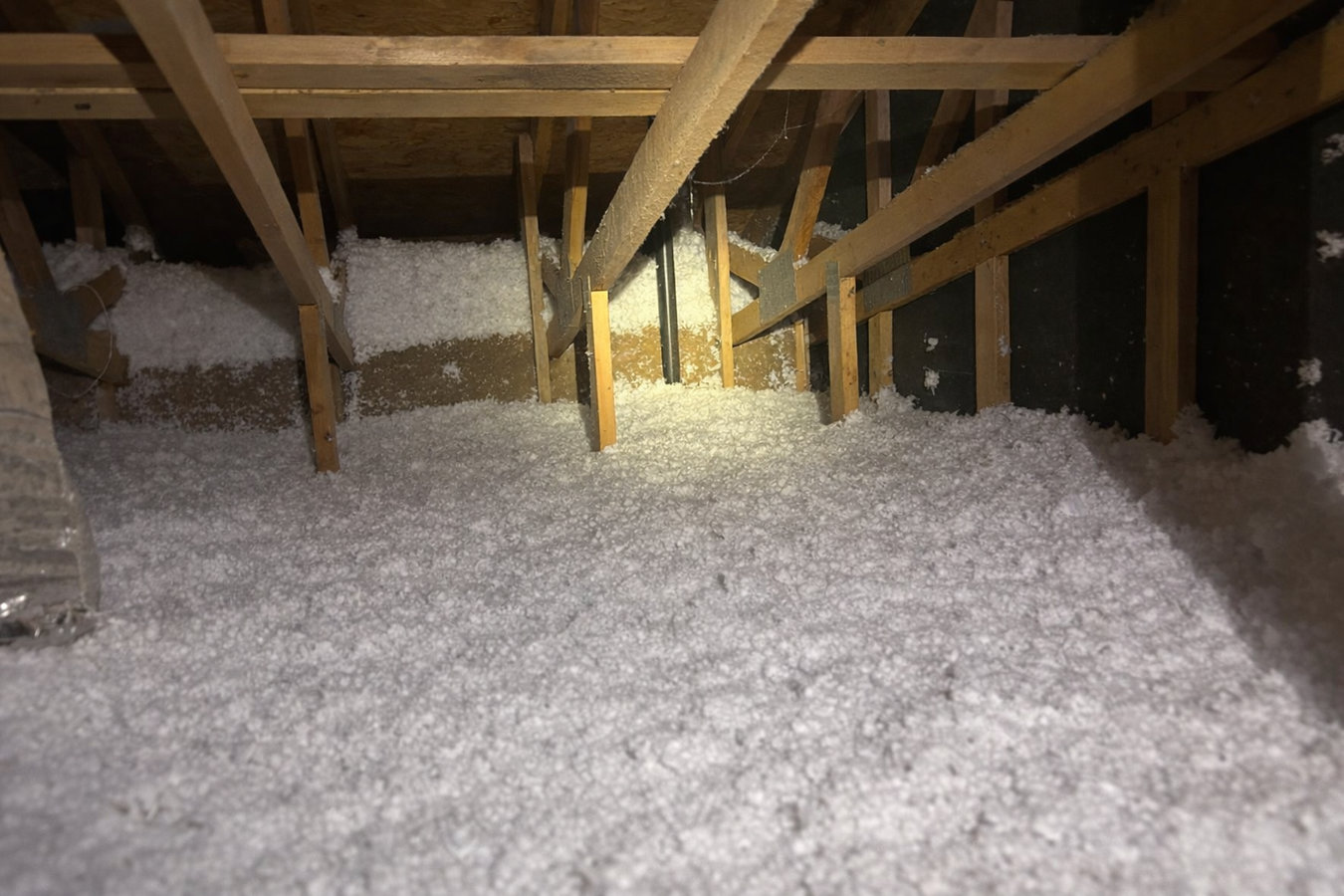
Most Aiea homes were built before modern insulation standards existed, and attics in postwar concrete block and wood-frame homes here often have thin, compressed material that has lost most of its effectiveness over 40 to 70 years of Hawaii humidity. Our blown-in insulation service adds a new layer on top of what is already there - filling in corners and irregular spaces that blanket insulation cannot reach - without requiring any drywall removal or major disruption to your home.
Aiea homes climb the hillside above Pearl Harbor, and many of those sloped-lot properties have low-clearance attics that trap heat under the roof all day. Adding proper attic insulation acts as a barrier between that heat and your living spaces - and in homes where the original material has degraded or compressed to near nothing after decades, the comfort improvement is dramatic and immediate.
Aiea sits close to Pearl Harbor, and the combination of salt air and constant humidity accelerates wear on older building materials here faster than in inland neighborhoods. Closed-cell spray foam resists that moisture infiltration and air infiltration simultaneously - and in concrete masonry homes where wall cavities are narrow or inaccessible, spray foam applied to interior surfaces or rim joists is often the most practical way to improve envelope performance without major construction.
Homes built in Aiea during the postwar decades were constructed before air sealing was standard practice, and decades of thermal expansion and contraction on Hawaii's hillside lots have opened gaps around pipes, electrical boxes, and attic hatches that did not exist when the home was new. Air sealing those entry points before adding insulation is what makes the upgrade actually perform - without it, warm humid air finds its way around the insulation and into your home anyway.
Many Aiea hillside homes sit on elevated foundations or partial crawl spaces - a practical solution for sloped lots, but one that leaves floor systems exposed to the humid air that circulates under the home year-round. Insulating beneath the floor and sealing the crawl space reduces the heat and moisture that travel upward into the living space, which matters especially in homes where the floor surface itself feels warm or where humidity has been an ongoing complaint.
In Aiea's older homes, attic air sealing is often the single most impactful first step before any insulation is added. Gaps around recessed light fixtures, plumbing penetrations, and the tops of interior walls are direct conduits for warm humid air to move from the attic into the living space. Sealing these gaps takes a fraction of the time of a full insulation job and immediately reduces the load on your air conditioner, especially in the late afternoon hours when Pearl Harbor-area temperatures peak.
Aiea is almost entirely residential - quiet streets of single-family homes climbing the hillside above Pearl Harbor, with modest lot sizes, terraced yards, and retaining walls that handle the slope. Most of the housing here was built between the 1950s and 1980s, which means the bulk of the neighborhood's attics were installed with materials and techniques that predate modern energy standards by decades. Insulation from that era compresses and loses effectiveness over time, and Hawaii's relentless humidity accelerates that degradation. Salt air off Pearl Harbor works into building materials from the outside, while warm trade winds and daily thermal cycling - surfaces heating up in the afternoon sun and cooling overnight - open small cracks and gaps in wall assemblies that were never meant to breathe as much as they now do.
Aiea's hillside terrain adds a layer of complexity that flat-lot communities do not face. Water runs fast on sloped lots, and homes with elevated foundations or partial crawl spaces deal with year-round moisture circulation that affects both the crawl space and the floor above it. Trade winds that funnel through the valleys above Pearl Harbor also drive air into exterior gaps more aggressively than in sheltered lowland neighborhoods. Hawaii has the highest residential electricity rates in the country, which means every improvement to how well an Aiea home holds conditioned air shows up directly in monthly savings. Long-term homeowners here - and there are many, since Aiea families tend to stay - are the most likely to benefit from addressing what aging buildings need.
We pull permits through the City and County of Honolulu Department of Planning and Permitting, which handles all residential approvals for Aiea as an unincorporated community - there is no separate Aiea permit office. The homes we work on here are a different job site from west Oahu's newer subdivisions: postwar concrete block and wood-frame construction, sloped lots with retaining walls, and attic spaces that can be tight or angled in ways that require care. We come prepared for low clearances, uneven attic floors, and the older plumbing and electrical penetrations that need careful sealing in homes from this era.
Aiea residents know their neighborhood by a few reliable anchors. Pearlridge Center, one of the largest malls in Hawaii, sits right at the base of the hill and is the commercial hub most locals reference for directions. The Keaiwa Heiau State Recreation Area at the top of Aiea Heights is the green space that defines the upper neighborhood - the trail there is one of the most-hiked routes on Oahu. Kamehameha Highway runs along the base of the hill as the main traffic corridor connecting Aiea to the rest of central Oahu. We serve homes all the way from the lower streets near the highway up to the hillside neighborhoods approaching the trail.
Aiea sits between two communities we also serve regularly. Just to the east, Pearl City has a similar mix of postwar homes with comparable insulation challenges - older building stock, salt air from the harbor, and homeowners who have invested in their properties for the long term. To the west, the Halawa neighborhood shares Aiea's Pearl Harbor-adjacent character and sees many of the same moisture and humidity conditions we address on this side of central Oahu.
When you reach out, we ask a few quick questions - when the home was built, whether you have noticed comfort issues or high electricity bills, and what type of access your attic has. We respond within 1 business day and schedule your free estimate visit at your convenience.
We visit your home and inspect the attic, checking existing insulation depth and condition, looking for air leaks and moisture issues, and measuring the space. This takes 30 to 60 minutes and is free. We also check attic ventilation, because older Aiea homes sometimes have ventilation issues that need to be addressed before new insulation is added.
You receive a written estimate that spells out the insulation depth, material type, whether air sealing is included, and the total price. We discuss cost openly - if Hawaii Energy rebates apply to your project, we flag that before you sign anything, since the contractor must be approved before work starts for the rebate to be valid.
Our crew seals any air gaps in the attic first, then runs the blowing machine - parked in your driveway - and fills the attic to the agreed depth. Most Aiea attic jobs finish in half a day to a full day. Before we leave, we place depth markers in the attic so you can verify the work yourself without needing any tools or contractor knowledge.
We serve Aiea and the surrounding Pearl Harbor-area neighborhoods. Free attic inspection, written estimates, and 1 business day response. Call or fill out the form to get started.
(808) 809-8779Aiea is a census-designated place on Oahu's central coast, tucked between Pearl Harbor to the south and the Koolau foothills to the north. With around 9,000 to 10,000 residents, it is a compact, almost entirely residential community - there is no real downtown, just neighborhoods of single-family homes climbing the hillside, strip malls along Kamehameha Highway, and the green space at the top of Aiea Heights. Pearlridge Center, one of Hawaii's largest shopping malls, anchors the commercial base of the neighborhood and has served as the area's main gathering spot since the 1970s. Most of the housing stock dates from the postwar decades - the 1950s through 1980s - built originally to serve workers and military families near Joint Base Pearl Harbor-Hickam. That gives Aiea a settled, established feel that newer communities lack.
The hillside character of the neighborhood is what locals know best: winding streets, terraced yards, retaining walls, and homes with views back toward the harbor. The Aiea Loop Trail inside Keaiwa Heiau State Recreation Area is one of the most-used hiking routes on Oahu, and homes up in Aiea Heights near the trailhead are at elevations where trade winds are stronger and the building envelope takes more pressure than in the flatlands below. Aiea has a high rate of long-term owner-occupied homes - families here tend to stay, invest in their properties, and take maintenance seriously. The neighborhood borders Pearl City to the east and shares many of the same postwar building stock and salt-air conditions, and we serve homeowners in both communities. To the west, the Halawa Valley and surrounding neighborhoods face similar Pearl Harbor-area humidity that we address on jobs throughout this part of central Oahu.
Expands to seal gaps and create an airtight thermal barrier in walls, roofs, and crawl spaces.
Learn moreReduces heat gain and energy loss through the attic with professional installation.
Learn moreLoose-fill material blown into attics and wall cavities for thorough, even coverage.
Learn moreSafe removal of old, damaged, or contaminated insulation before new installation.
Learn moreInsulates beneath your home to improve comfort and prevent moisture-related issues.
Learn moreImproves interior comfort and energy efficiency by insulating exterior and interior walls.
Learn moreSeals drafts and air leaks to maximize the effectiveness of your insulation.
Learn moreKeeps basement spaces conditioned and protected from moisture infiltration.
Learn moreHigh-density spray foam offering superior R-value and moisture resistance.
Learn moreLightweight, flexible spray foam ideal for interior walls and sound dampening.
Learn moreInsulation solutions for commercial buildings, warehouses, and retail spaces.
Learn moreHeavy-duty plastic sheeting installed to block ground moisture in crawl spaces.
Learn morePrevents moisture intrusion in walls, floors, and foundations throughout your home.
Learn moreTargets attic bypasses and penetrations to stop conditioned air from escaping.
Learn moreAdds insulation to existing structures without major renovation or disruption.
Learn moreServing these cities and communities.
Call Honolulu Insulation for a free attic inspection and written estimate on blown-in or spray foam insulation for your Aiea home. Experienced local crew, and 1 business day response guaranteed.