Loading...
Serving East Honolulu, HI and surrounding areas. (808) 809-8779
Hawaii's heat and humidity push through every gap in your home. Spray foam seals those gaps and insulates at the same time, so your AC works less and your home stays comfortable all year.
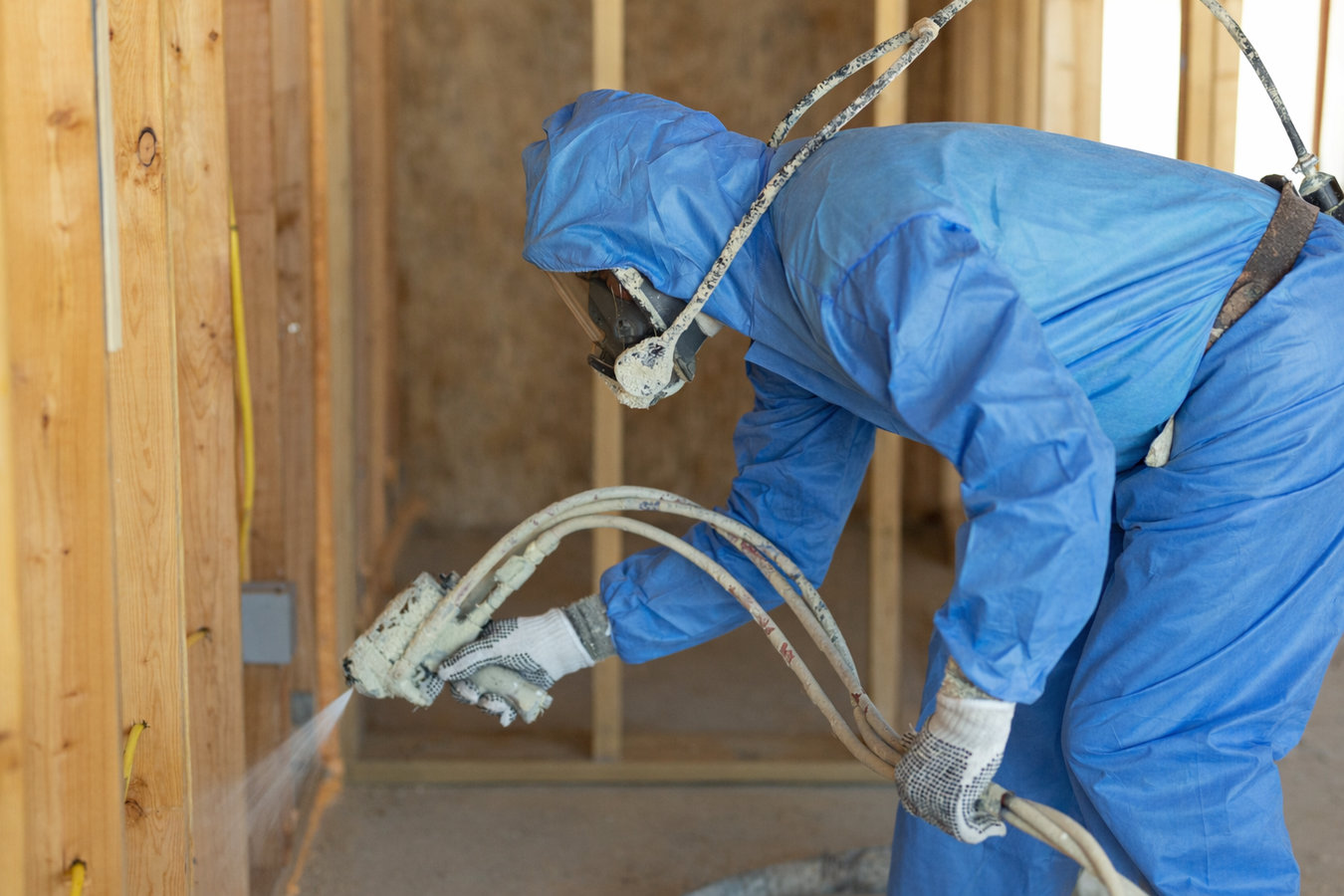
Spray foam insulation in East Honolulu seals air leaks and insulates walls, attics, and crawl spaces in one step - most residential jobs are finished in one to two days. Unlike fiberglass batts or blown-in material, spray foam expands to fill every gap it touches, making it the most effective option for homes where humidity and heat are the primary concerns.
East Honolulu homes built before 1980 are prime candidates. Many have hollow wall cavities, uninsulated attic spaces, and gaps around plumbing that have never been addressed. If your AC runs constantly but certain rooms never quite cool down, your home is likely losing conditioned air through openings that spray foam can permanently seal. Pairing this service with attic insulation creates a complete thermal barrier from roof to foundation.
Hawaii has the highest residential electricity rates in the country. That means every improvement to your home's envelope pays back faster here than almost anywhere else.
If your unit runs constantly without ever making the house feel truly cool, the problem is often the home's envelope letting heat back in as fast as the system removes it. In East Honolulu's year-round warm climate, this is a clear sign your insulation is not doing its job. A new AC unit won't fix a leaky envelope.
Hawaii's rates are already among the highest in the country. If your bill keeps climbing without a change in habits, your home may be losing conditioned air through gaps and uninsulated spaces. Even a modest spray foam job can produce a measurable reduction in monthly cooling costs.
Hold your hand near an electrical outlet on an exterior wall on a warm afternoon. If you feel warm air seeping through, that outlet connects to a gap in your wall cavity that leads directly outside. This is especially common in East Honolulu homes built before 1980, which often have no wall insulation at all.
In East Honolulu, a sun-baked roof can make an uninsulated attic reach extreme temperatures by mid-afternoon. If rooms directly below your attic feel noticeably hotter than the rest of the house, heat is radiating down through the ceiling. Spray foam on the underside of the roof deck dramatically reduces how much of that heat reaches you.
We install both closed-cell and open-cell spray foam, and we match the right type to each area of your home. For attics, exterior walls, and crawl spaces in East Honolulu's coastal environment, we typically recommend closed-cell foam insulation because it resists moisture more effectively and delivers a higher R-value per inch - both critical factors when salt air and humidity are constant concerns. For interior walls and spaces where moisture is less of a factor, open-cell foam adds both insulation and sound dampening at a lower cost.
Every job starts with a thorough assessment of your home's envelope. We check for existing moisture damage, inspect the substrate before applying anything, and seal any problem areas first. This preparation step is especially important in East Honolulu, where homes close to the water face accelerated wear on wood framing and other building materials. Foam applied over a compromised surface won't bond correctly - and we won't cut that corner.
Best for attics, exterior walls, and crawl spaces in humid coastal climates.
Suited to interior spaces where sound control and cost efficiency matter more than moisture resistance.
Applied to the underside of the roof deck or attic floor to stop heat from radiating into living spaces.
Seals the ground-level envelope, keeping humidity and pests from entering your home from below.
East Honolulu sits in a warm, humid coastal climate where outdoor air is almost always warmer and wetter than what you want inside your home. The northeast trade winds that make the area beautiful also carry moisture that pushes into every gap, crack, and uninsulated cavity in your home's envelope. Hawaii Kai, Aina Haina, and other nearby neighborhoods see this effect year-round, with no cold season to give your home a break. Spray foam's ability to seal air movement while insulating at the same time makes it uniquely well-suited here.
The housing stock adds urgency. A large share of homes in East Honolulu and across Honolulu date from the post-war building boom of the 1950s through 1970s - built fast, with minimal or no wall insulation. Decades later, those same gaps are still there, forcing modern air conditioning systems to fight a losing battle every afternoon. Spray foam is particularly effective in older homes because it can reach and fill irregular gaps and cavities that cut-to-size batts simply cannot address.
We respond within 1 business day. We'll ask a few quick questions about your home - size, age, which areas you want addressed - and schedule a time to come out and take a look. No pressure, no commitment yet.
A technician walks the areas to be insulated, checks for moisture or surface issues, and measures the space. In East Honolulu, we specifically note which walls and roof sections face the most sun and trade wind pressure - those spots need the most attention.
You receive a written estimate covering materials, labor, prep, and any permit requirements. Pricing in Hawaii is higher than mainland guides due to shipping costs - we explain exactly what you are paying for and why.
The crew seals off work areas, applies spray foam in even passes, and completes most residential jobs in one day. You need to be out of the home for roughly 24 hours while the foam cures. When you return, we walk through the finished work with you.
We respond within 1 business day - no obligation, no pressure. After you submit, someone from our office will call to schedule a free on-site estimate at your convenience. We will take a look at your home, explain exactly what we recommend, and give you a written quote before any work begins.
(808) 809-8779Our crews apply spray foam across Oahu every week and give you a written scope before starting. You know exactly who is coming to your home and what the job involves from the start.
We know the neighborhoods - Hawaii Kai, Aina Haina, Kuliouou, Niu Valley. We know which homes face the most salt air, which attics see the worst afternoon heat, and what the City and County of Honolulu requires for permits.
Salt air and humidity deteriorate wood framing faster here than on the mainland. We inspect every surface before applying foam - because foam over compromised wood won't bond, and a failed bond means a failed job. We won't skip this step.
We come to your home, assess the space, and give you a written estimate at no cost and no obligation. You have everything you need to make a clear comparison before committing.
These are not just claims - they are the specific things East Honolulu homeowners ask about when they call us. We built our process around answering them before you have to ask. For more on our background and credentials, visit our About page.
For additional guidance on insulation standards, see the U.S. Department of Energy insulation guide and the EPA spray foam safety resource.
Complete your home's thermal envelope from the top down - attic insulation pairs directly with spray foam to stop heat from entering through the roof.
Learn moreThe denser, moisture-resistant option - ideal for East Honolulu's coastal humidity where standard foam would allow vapor intrusion.
Learn moreEast Honolulu summers are not letting up - call now and we can often start within the week.