Loading...
Serving East Honolulu, HI and surrounding areas. (808) 809-8779
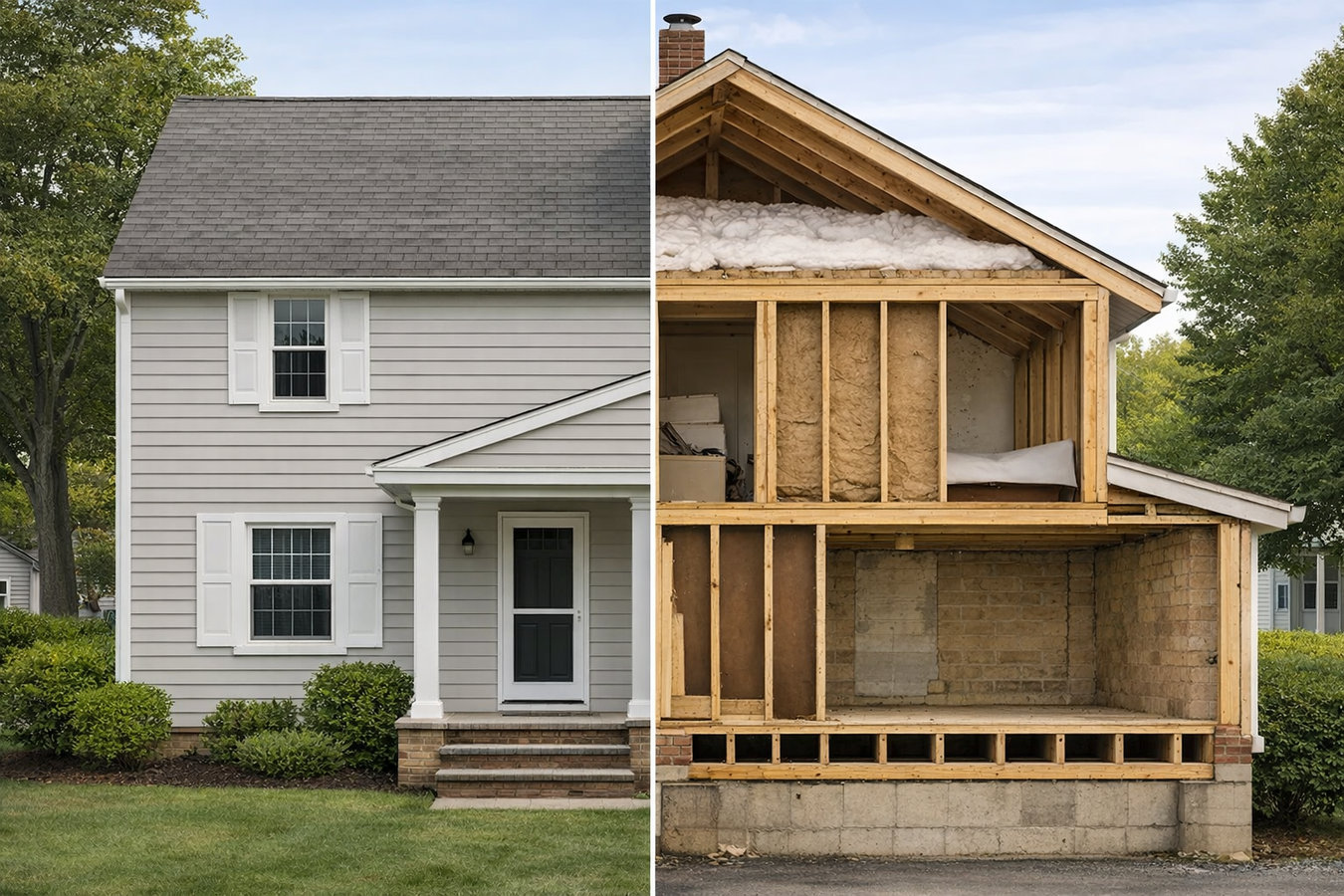
Honolulu Insulation delivers attic, spray foam, and home insulation to East Honolulu homeowners, reducing cooling costs in one of the country's most expensive power markets - we have served this area with experienced, locally owned crews and free written estimates.
East Honolulu homes built in the 1960s and 1970s often have little or no original insulation in the attic or walls. A thorough home insulation assessment covers every zone of your home - attic, walls, crawl space, and floors - so heat has nowhere to sneak back in.
East Honolulu roofs absorb intense sun all day, and without adequate attic insulation that heat radiates directly into living spaces. Adding the right R-value material to your attic is usually the single fastest way to reduce what you pay Hawaiian Electric each month.
East Honolulu properties near the coast face salt-air corrosion that can degrade standard insulation over time. Spray foam expands to seal every gap it touches, creating a continuous air and thermal barrier that holds up well in the humid, salt-laden trade wind conditions common throughout the east side.
Blown-in loose-fill insulation is well suited to the irregularly framed attics common in East Honolulu's post-war housing stock. The material settles into every corner without leaving the thin spots or gaps that batts often create around roof joists, rafters, and HVAC equipment.
Hawaii's trade winds create consistent pressure on windward-facing walls and roofs, pushing warm humid air through any available gap. Air sealing closes those bypasses at light fixtures, plumbing penetrations, and attic hatches so your insulation can actually do its job.
East Honolulu's hillside homes often sit on pier-and-beam foundations that expose the underfloor to year-round humidity from the volcanic soil. Crawl space insulation and vapor barriers prevent that ground moisture from migrating up into finished floors and wall cavities.
East Honolulu sits between the Ko'olau mountain range and the Pacific Ocean, which creates a climate unlike most places where an insulation contractor typically trains. Trade winds carry moisture off the water and push it into any gap in your home's envelope year-round. Hawaii's solar angles and intense UV levels heat rooftops to temperatures far above air temperature by mid-afternoon. Homes here deal with salt air corrosion, persistent humidity above 70 percent, and rainfall that can arrive hard and fast off the mountains. Standard mainland insulation assumptions about moisture movement, material life span, and ventilation do not translate directly to this environment.
The bulk of East Honolulu's housing stock - covering neighborhoods from Hawaii Kai to Aina Haina to Niu Valley - was built during the post-war construction boom between the 1950s and 1970s. Builders of that era rarely prioritized insulation, and homes from that period often have hollow wall cavities, thin or absent attic material, and no vapor management at all. On top of that, Hawaii has among the highest residential electricity rates in the country, which means every degree of heat kept outside translates into real money saved each month. Getting insulation right in East Honolulu is not a minor comfort upgrade - it is one of the most financially meaningful improvements a homeowner can make.
Our crew pulls permits through the City and County of Honolulu Department of Planning and Permitting regularly, and we know which scopes of work in this jurisdiction require a permit and which do not. East Honolulu's post-war single-family homes on Kalanianaole Highway and up into the hillside streets of Kuliouou and Kalama Valley are the type of properties we see most often. Each neighborhood has its own mix of foundation types, roof pitches, and exterior materials that affect how insulation is installed and which products perform best over the long term in the local environment.
From the marina-front homes of Hawaii Kai to the quieter streets above Aina Haina, we have worked on the full range of East Honolulu's housing stock. We know that properties closer to the water, like those in Portlock, face more aggressive salt-air corrosion on building materials than those farther up the hillside. We also serve homeowners in neighboring Honolulu and the communities further west on the island, so if your family spans areas, we can help across all of them.
Reach out by phone or through our contact form and we will respond within one business day. We will ask a few basic questions about your home - its age, the areas you want insulated, and whether any work has been done before - so we can come prepared.
We come to your East Honolulu home, inspect the attic, crawl space, or walls, and look for moisture issues, ventilation problems, and any existing material that needs to come out. This visit is free and comes with no obligation - we explain what we find and what it will cost before you decide anything.
Once you approve the written estimate, we schedule the work at a time that works for your household. Most attic jobs take one day. If spray foam is involved, we will let you know in advance that you and your family will need to be out of the home for roughly 24 hours after application.
When the work is done, we walk you through what was installed and answer any questions. We provide documentation for any Hawaii Energy rebate claims and handle permit sign-off if a permit was pulled for your project.
We serve all of East Honolulu - from Hawaii Kai to Aina Haina - with free on-site assessments, written estimates, and no-pressure advice. We reply within one business day.
(808) 809-8779East Honolulu is not a single neighborhood but a collection of distinct communities stretching along the southeast coast of Oahu between the Ko'olau Range and the Pacific Ocean. Hawaii Kai is the largest and best-known anchor, a planned community developed starting in the 1960s around a series of man-made marina channels. It includes single-family homes along the water, smaller hillside houses, townhome complexes, and mid-rise condos. Aina Haina and Niu Valley sit closer to the center of the corridor and lean toward older single-family neighborhoods on quieter streets. Kuliouou and Kalama Valley are hillside communities with homes built into the terrain above the main highway. Portlock, at the far eastern tip near Koko Head Crater, has some of the area's most coastal-exposed properties.
Home values throughout East Honolulu rank among the highest in Hawaii, with median prices in many neighborhoods well above $900,000. Residents here tend to stay long-term and invest in maintaining their properties, which makes quality workmanship and honest advice more important than a low bid. Most of the housing stock was built between the 1950s and 1980s, so homes are reaching the age where original materials need serious attention. We also serve homeowners in the surrounding community of Kailua on the windward coast and across the rest of the island, and we are familiar with the permitting and building conditions in each of those areas.
Expands to seal gaps and create an airtight thermal barrier in walls, roofs, and crawl spaces.
Learn moreReduces heat gain and energy loss through the attic with professional installation.
Learn moreLoose-fill material blown into attics and wall cavities for thorough, even coverage.
Learn moreSafe removal of old, damaged, or contaminated insulation before new installation.
Learn moreInsulates beneath your home to improve comfort and prevent moisture-related issues.
Learn moreImproves interior comfort and energy efficiency by insulating exterior and interior walls.
Learn moreSeals drafts and air leaks to maximize the effectiveness of your insulation.
Learn moreKeeps basement spaces conditioned and protected from moisture infiltration.
Learn moreHigh-density spray foam offering superior R-value and moisture resistance.
Learn moreLightweight, flexible spray foam ideal for interior walls and sound dampening.
Learn moreInsulation solutions for commercial buildings, warehouses, and retail spaces.
Learn moreHeavy-duty plastic sheeting installed to block ground moisture in crawl spaces.
Learn morePrevents moisture intrusion in walls, floors, and foundations throughout your home.
Learn moreTargets attic bypasses and penetrations to stop conditioned air from escaping.
Learn moreAdds insulation to existing structures without major renovation or disruption.
Learn moreServing these cities and communities.
Every week you wait, your air conditioner works harder than it needs to. Call us or send a message today and we will set up your free East Honolulu assessment.