Loading...
Serving East Honolulu, HI and surrounding areas. (808) 809-8779
Honolulu Insulation serves Kapolei with air sealing, attic insulation, and spray foam - tackling the leeward heat, salt air, and construction gaps common in west Oahu planned-community homes built between 1990 and 2010, with experienced crews and free written estimates available now.
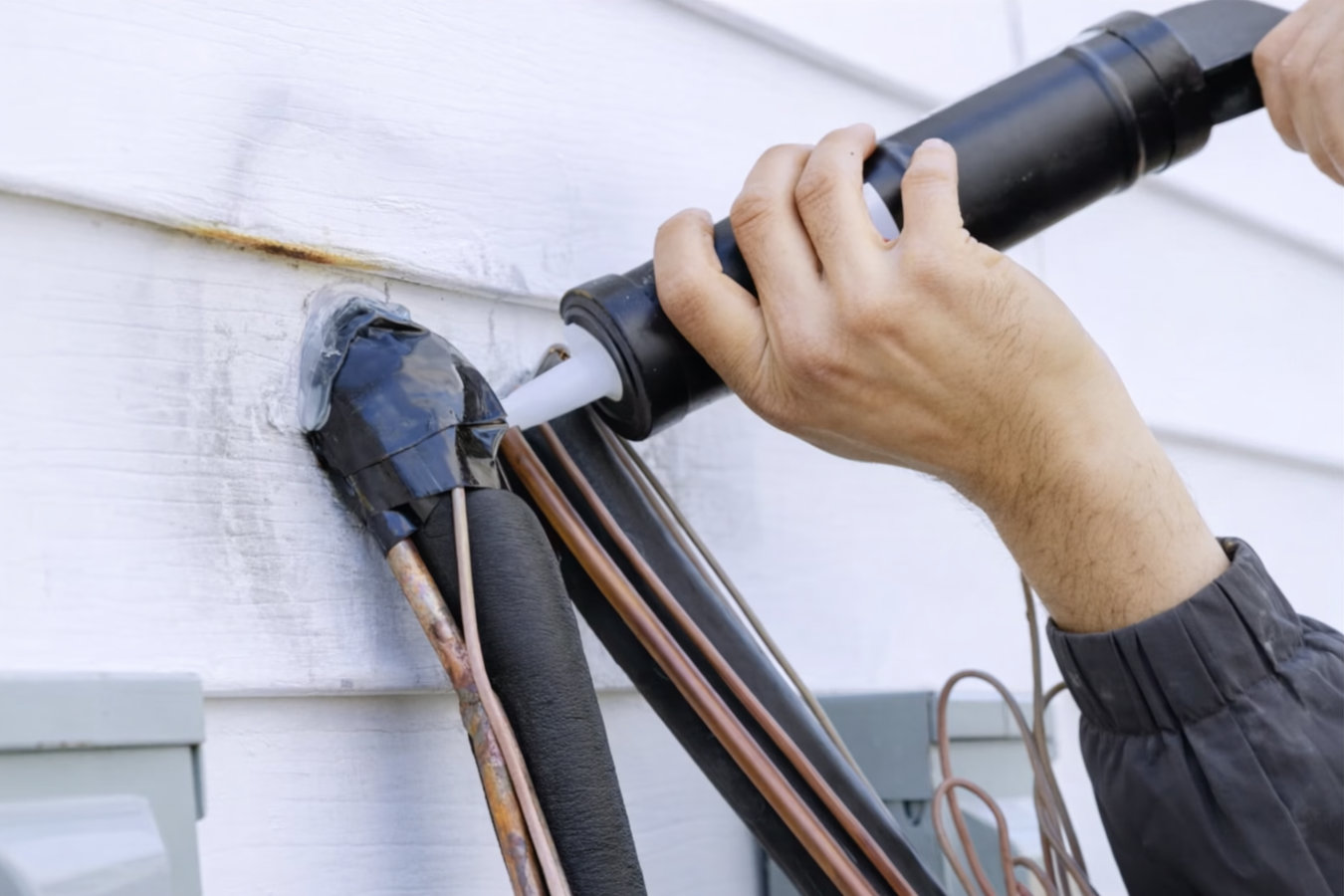
Kapolei homes built during the 1990s and 2000s subdivision buildouts often have unsealed gaps around recessed lights, attic hatches, and plumbing penetrations that let leeward heat pour in around the clock. Our air sealing services use blower door testing to find every leak before closing it with caulk or spray foam - a process that makes insulation dramatically more effective and can reduce your air conditioning load on its own.
Kapolei rooftops sit under intense west-side sun, and an under-insulated attic becomes a heat collector that pushes warmth down into your living spaces well into the evening. Many homes built here in the 1990s and early 2000s were installed with only the code-minimum insulation depth, which falls short of what is achievable today. Adding blown-in insulation on top of what is already there is typically a one-day job with immediate results on your cooling bills.
Kapolei is close enough to the ocean that salt air corrodes building materials over time, and closed-cell spray foam resists that moisture and salt-air exposure better than fiberglass or cellulose. It also seals as it insulates - closing gaps around framing seams and utility penetrations that let warm leeward air into your home. For homes near the water or on clay-soil lots where settling has opened small gaps in the building envelope, spray foam is the most durable long-term solution.
For Kapolei townhomes and attached single-family homes in HOA-managed subdivisions, blown-in insulation through small drilled holes reaches wall cavities without tearing open drywall or exterior stucco. The holes are patched and painted after the job, leaving no visible trace. This approach works well in the concrete block and wood-frame construction common across Kapolei neighborhoods like Mehana and Kapolei Knolls.
Kapolei sits on flat, clay-heavy former plantation land that drains poorly after heavy winter rain. That standing water near foundations pushes ground moisture upward into any crawl space beneath the home. A vapor barrier stops that moisture migration before it reaches floor joists and subfloor materials, where it quietly causes rot and degrades whatever insulation is installed above.
Kapolei sits on Oahu's leeward plain on land that was once the Oahu Sugar Company plantation - flat, clay-heavy terrain that gets more sun and less rain than the windward coast. That leeward position means intense UV exposure on west- and south-facing walls from late morning through late afternoon. Temperatures in Kapolei run warmer than in Honolulu, and the sun heats exterior surfaces fast. Salt air from the nearby coast works its way into caulking and wall penetrations over time, opening gaps that invite heat and humidity inside. The clay soil beneath most lots also expands when wet and contracts when dry, a cycle that gradually stresses building envelopes and can open small cracks at the foundation and framing level that become energy leaks.
The bulk of Kapolei's housing was built between 1990 and 2010 - past the original construction boom but now reaching the age where insulation, sealing, and building envelope components need their first serious review. Homes built during this era were constructed to the code minimums of the time, which fall short of what is achievable with today's materials and methods. Many residents here are owner-occupants who invested in these homes and plan to stay - and with Hawaii carrying the highest residential electricity rates in the country, the savings from a well-sealed, properly insulated home are real and recurring every month.
We pull all permits through the City and County of Honolulu Department of Planning and Permitting, which handles all building approvals for Kapolei as an unincorporated community. The homes we work on here are predominantly single-family detached homes and attached townhomes in planned subdivisions - a different job site profile from older Honolulu neighborhoods. Many Kapolei properties have HOA-managed exteriors, so we confirm association rules before starting any exterior-facing work. The stucco and concrete block construction common on this side of Oahu also means wall insulation requires different techniques than wood-frame homes on the windward coast.
Kapolei residents navigate daily life around landmarks most west Oahu locals recognize. Ko Olina, with its man-made lagoons and resort properties along the coast, is just a few miles south. Kapolei Commons serves as the main shopping hub, and Kapolei Regional Park anchors the community's outdoor life. The nearby hillside community of Makakilo sits directly above Kapolei on the ridge - we work on homes throughout that neighborhood too, and the construction types and insulation needs are closely related to what we see on Kapolei's flatter streets.
The Farrington Highway and Fort Barrette Road are the main routes we travel to reach homes across every Kapolei subdivision, from the newer streets on the western edge of town to the older sections closer to the H-1 on-ramp. We also serve Ewa Gentry just to the east, where the home styles and insulation challenges are similar to what we regularly see in Kapolei.
When you reach out, we ask a few basic questions about your home - when it was built, whether you have noticed any comfort issues, and whether you are interested in Hawaii Energy rebates. We respond within 1 business day and schedule your estimate at a time that works for you.
We visit your home, inspect the attic and accessible wall cavities, and run a blower door test that shows exactly where air is leaking. This takes about an hour, and you get a written estimate that spells out what the work costs and what it covers - no vague quotes.
Before any work begins, we confirm whether your project qualifies for a Hawaii Energy rebate and walk you through the documentation requirements. This step has to happen before work starts - missing it means losing money you were entitled to. We handle the process so you do not have to.
Our crew seals gaps throughout the home - typically starting in the attic - then installs the agreed insulation. Most single-family jobs in Kapolei wrap up in one to two days. We run a second blower door test when we finish so you have documented proof the work improved your home.
We serve Kapolei and all of west Oahu. Free written estimates, experienced crews, and blower door testing included. Call or fill out the form and we respond within 1 business day.
(808) 809-8779Kapolei is a planned city on the western end of Oahu, developed from scratch on former sugar plantation land starting in the late 1980s. The state designated it as Oahu's official second city, and it has grown quickly into one of the most populated communities on the island, with around 25,000 to 30,000 residents. The housing stock is dominated by single-family detached homes and townhomes in named subdivisions - Mehana, Kapolei Knolls, and Ko Olina among the most recognizable. Most homes here were built between 1990 and 2010, giving the community a relatively uniform building stock compared to older Honolulu neighborhoods. The land is flat to gently rolling, with the Waianae foothills rising to the north and the Pacific coastline just a few miles south.
Ko Olina Resort, with its four man-made lagoons and landmark hotels along the south shore, is one of the most recognized destinations in this part of Oahu. Kapolei Commons and Kapolei Town Center serve as the commercial heart of the community - the places residents go for daily errands and dining. The mix of working families, military households from nearby installations, and long-term owner-occupants gives the neighborhood a stable, community-oriented character. Just above Kapolei on the ridge, the hillside community of Makakilo shares many of the same construction types and climate conditions, and we serve homeowners there as well. To the north, the community of Ewa Gentry is another planned residential community where our crews work regularly on similar subdivision-era homes.
Expands to seal gaps and create an airtight thermal barrier in walls, roofs, and crawl spaces.
Learn moreReduces heat gain and energy loss through the attic with professional installation.
Learn moreLoose-fill material blown into attics and wall cavities for thorough, even coverage.
Learn moreSafe removal of old, damaged, or contaminated insulation before new installation.
Learn moreInsulates beneath your home to improve comfort and prevent moisture-related issues.
Learn moreImproves interior comfort and energy efficiency by insulating exterior and interior walls.
Learn moreSeals drafts and air leaks to maximize the effectiveness of your insulation.
Learn moreKeeps basement spaces conditioned and protected from moisture infiltration.
Learn moreHigh-density spray foam offering superior R-value and moisture resistance.
Learn moreLightweight, flexible spray foam ideal for interior walls and sound dampening.
Learn moreInsulation solutions for commercial buildings, warehouses, and retail spaces.
Learn moreHeavy-duty plastic sheeting installed to block ground moisture in crawl spaces.
Learn morePrevents moisture intrusion in walls, floors, and foundations throughout your home.
Learn moreTargets attic bypasses and penetrations to stop conditioned air from escaping.
Learn moreAdds insulation to existing structures without major renovation or disruption.
Learn moreServing these cities and communities.
Call Honolulu Insulation today for a free written estimate on air sealing or insulation for your Kapolei home. Experienced crew, blower door testing included, and 1 business day response guaranteed.