Loading...
Serving East Honolulu, HI and surrounding areas. (808) 809-8779
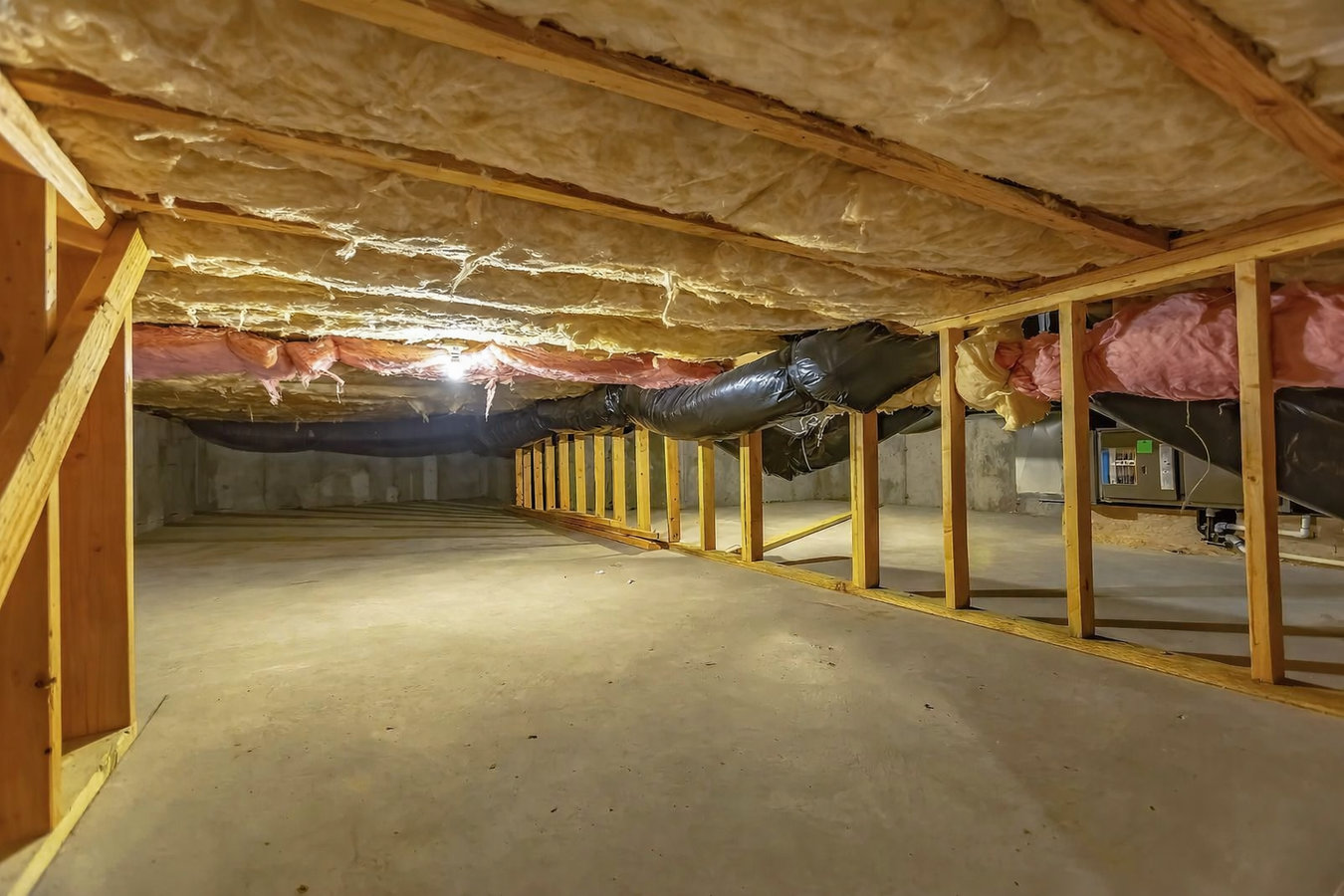
Your lower level is one of the biggest entry points for warm, humid air. Proper basement insulation blocks that heat before it reaches your living space and helps your AC work less.
Basement insulation in East Honolulu works differently from the mainland - the goal is not trapping warmth in winter but blocking warm, humid outdoor air from pushing into your cooler, air-conditioned home. Most jobs take one to three days depending on the size of the space and whether moisture remediation is needed first.
In East Honolulu, where outdoor humidity regularly runs high and your air conditioner runs year-round, an uninsulated lower level acts like a heat and moisture collector feeding directly into your living space. Many homes in neighborhoods like Hawaii Kai and Aina Haina were built in the 1960s and 1970s with minimal or no basement insulation - the performance gap between those homes and a properly insulated one shows up every month on the electricity bill. If your lower level is also experiencing moisture, pairing insulation with crawl space insulation work gives you a complete thermal barrier under the home.
Before signing anything, ask for a written estimate that spells out the scope, materials, and timeline. Our experienced crews walk you through the plan and document the work so you always have a clear record of what was done.
If your unit runs constantly but the house still feels stuffy - especially rooms above or adjacent to the lower level - heat is likely sneaking in through an uninsulated basement. In East Honolulu's warm climate, an uninsulated lower level acts like a heat collector that feeds warmth directly into your living space. This is one of the most common signs homeowners notice before they realize insulation is the fix.
A persistent damp smell or dark staining along the base of basement walls is a sign moisture is moving through the space. In East Honolulu's high-humidity environment, this is especially common during the wetter months from November through March. Before insulation goes in, moisture has to be addressed - but noticing it is your first signal that the space needs professional attention.
If your Hawaiian Electric bill has risen over the past year or two and your habits have not changed, heat gain through an uninsulated lower level is a likely contributor. Hawaii has some of the highest electricity rates in the country, so even a modest improvement in your home's thermal performance can show up noticeably on your monthly statement.
Walk into your basement on a warm afternoon and notice how it feels compared to your main living area. If it feels significantly warmer, stickier, or more uncomfortable, that space is not thermally separated from the outdoor environment the way it should be. In East Honolulu, where outdoor temperatures and humidity are high year-round, an uninsulated lower level will always feel this way.
We install both closed-cell spray foam and rigid foam board depending on your basement layout, moisture conditions, and budget. Spray foam bonds directly to the wall surface, seals air gaps, and resists moisture absorption - which makes it especially effective in East Honolulu's humid coastal environment. Rigid foam board is a proven, cost-effective alternative that still handles moisture well and outperforms fiber-based products in Hawaii's climate. Every job starts with a moisture assessment - we will not install insulation over a damp wall. For homes where air sealing around pipes, penetrations, or rim joists is needed, we address those gaps before any insulation material goes in, because sealed air gaps are what make the insulation actually perform.
Many homes in East Honolulu sit on sloped lots where the lower level is partly underground on one side and exposed to outdoor air on the other. We handle these hillside configurations regularly - the below-grade wall and the above-grade wall right next to it need different approaches, and a contractor who has not seen this layout before will miss that. We also manage the permit process with the City and County of Honolulu on your behalf and coordinate the inspection. If your lower level needs crawl space insulation as part of the same project, we can assess both spaces in a single visit.
Best for East Honolulu basements where moisture resistance and complete air sealing are the top priorities.
A cost-effective option for homeowners who want solid thermal performance with good moisture handling at a lower price point.
Suited to sloped-lot homes with a mix of below-grade and above-grade walls that need different insulation treatments.
Every job includes a check for dampness and air leaks before any material goes in, so the insulation performs from day one.
Most mainland basement insulation guides are written for cold climates where the job is about keeping heat inside during winter. In East Honolulu, the logic flips - the goal is keeping warm, humid outdoor air from entering your cooler, air-conditioned home. The Ko'olau Range on the windward side pushes moisture-heavy air through neighborhoods like Hawaii Kai and Niu Valley year-round, and homes built in the post-war era often have lower levels that were designed before air conditioning was standard. Hawaii has its own residential energy code tailored to its climate zones - contractors who know it will use the right materials and methods, while contractors working from a mainland playbook may not. Homeowners in East Honolulu can check current Hawaii energy code guidance through the Hawaii State Energy Office.
Material costs in Hawaii run higher than mainland price guides suggest because everything arrives by ship. That is not a contractor markup - it is the real cost of getting materials to Oahu. Homeowners across Honolulu and East Honolulu should get at least two or three local quotes rather than using online calculators built for mainland conditions. Any improvement to your home's lower level that reduces the cooling load pays back faster here than almost anywhere else because Hawaii's electricity rates are among the highest in the country.
We respond within 1 business day. We will ask a few basic questions - home size, whether you have noticed any moisture issues, and what prompted you to call. No cost, no commitment at this stage.
We walk your basement and check walls, ceiling, exposed pipes, and signs of moisture before recommending anything. This visit typically takes 30 to 60 minutes and ends with a written estimate explaining what we recommend and why.
If the project requires a building permit from the City and County of Honolulu, we handle that paperwork - you do not need to visit the permit office yourself. We schedule installation once permits are confirmed.
The crew clears the workspace, installs insulation, and walks through the finished area with you before leaving. If a city inspection is required, we coordinate that as well. Spray foam has a brief curing period - we will tell you exactly how long to keep the space ventilated.
Free estimate, no obligation. We respond within 1 business day and handle permits on your behalf.
(808) 809-8779We work exclusively in Hawaii's hot, humid climate zones - not with a mainland spec sheet that does not account for coastal moisture, trade wind patterns, or the specific conditions found in East Honolulu hillside homes. The materials and methods we use are chosen for this environment.
We serve all 12 communities in our service area, from Hawaii Kai to Kapolei. That breadth means we understand how insulation needs vary across Oahu's different microclimates - not just the general island conditions. Local knowledge changes what we recommend.
We will not install insulation over a moisture problem. Every basement job starts with a dampness assessment because insulating a wet wall only makes the problem harder to find and more expensive to fix later. This step is non-negotiable at Honolulu Insulation.
We pull permits with the City and County of Honolulu and coordinate inspections as part of every qualifying project. Work that passes a city inspection gives you independent confirmation the job was done correctly - not just the contractor's word. Every job comes with a written record of what was done.
Basement insulation is one of those jobs where the difference between a contractor who knows Hawaii's climate and one who does not shows up immediately in both performance and durability. We bring both the local knowledge and the hands-on experience to do it right the first time.
The most moisture-resistant insulation option available - ideal for East Honolulu basements and lower levels that face year-round coastal humidity.
Learn moreInsulate the crawl space under your home to complete the thermal barrier at the lowest level and cut off another major pathway for heat and moisture.
Learn moreEast Honolulu summers are long and your AC runs year-round - the sooner your lower level is insulated, the sooner your home holds its cool and your bills reflect it.