Loading...
Serving East Honolulu, HI and surrounding areas. (808) 809-8779
Your walls are working against you if they have no insulation. We seal the gap so your AC finally gets a rest and your rooms feel comfortable all day.
Wall insulation in East Honolulu slows the movement of heat through your exterior walls, keeping warm outdoor air out and cooled indoor air in - most jobs are completed in one to two days without major disruption. A contractor injects material through small holes drilled in the wall, fills the cavity, then patches and paints so the work is nearly invisible.
In East Honolulu, the challenge is not keeping warmth inside during winter - it is keeping the constant heat and humidity from pushing through your walls and driving up your air conditioning costs. Many homes in neighborhoods like Aina Haina, Niu Valley, and Hawaii Kai were built in the 1950s through 1970s with no wall insulation at all. If your home is from that era, your walls may be empty. Adding insulation now can make a real, measurable difference on your monthly Hawaiian Electric bill.
Wall insulation pairs well with air sealing services - together they close both the thermal gap and the air leaks that let humidity sneak through even small openings. Doing both at the same time is usually more cost-effective than scheduling them separately.
If your unit runs without a real break but certain rooms stay warm, your walls may be letting heat in faster than your system can remove it. In East Honolulu, west- and south-facing walls take the hardest sun exposure. Uninsulated walls on those sides can make rooms feel like they are baking no matter how long the AC runs.
If the rooms on one side of your home are consistently warmer than the other side, that is a sign those walls are not doing much to slow the heat. It is not a problem with your AC system - it is a problem with the wall cavity behind the drywall. Targeted wall insulation on the sun-exposed sides can fix this without upgrading your equipment.
Homes built in East Honolulu during the post-war decades were often constructed without wall insulation because building codes did not require it. If your home is from that era and has never had insulation added, there is a good chance your walls are empty. A contractor can confirm this quickly with a simple inspection, often without opening anything up.
East Honolulu's coastal humidity means warm, moist outdoor air is always trying to get inside. When that air hits a cooler wall surface, it can condense inside the wall cavity. If you notice water stains, feel damp spots on walls, or smell something musty that does not go away, missing or inadequate wall insulation may be part of the problem.
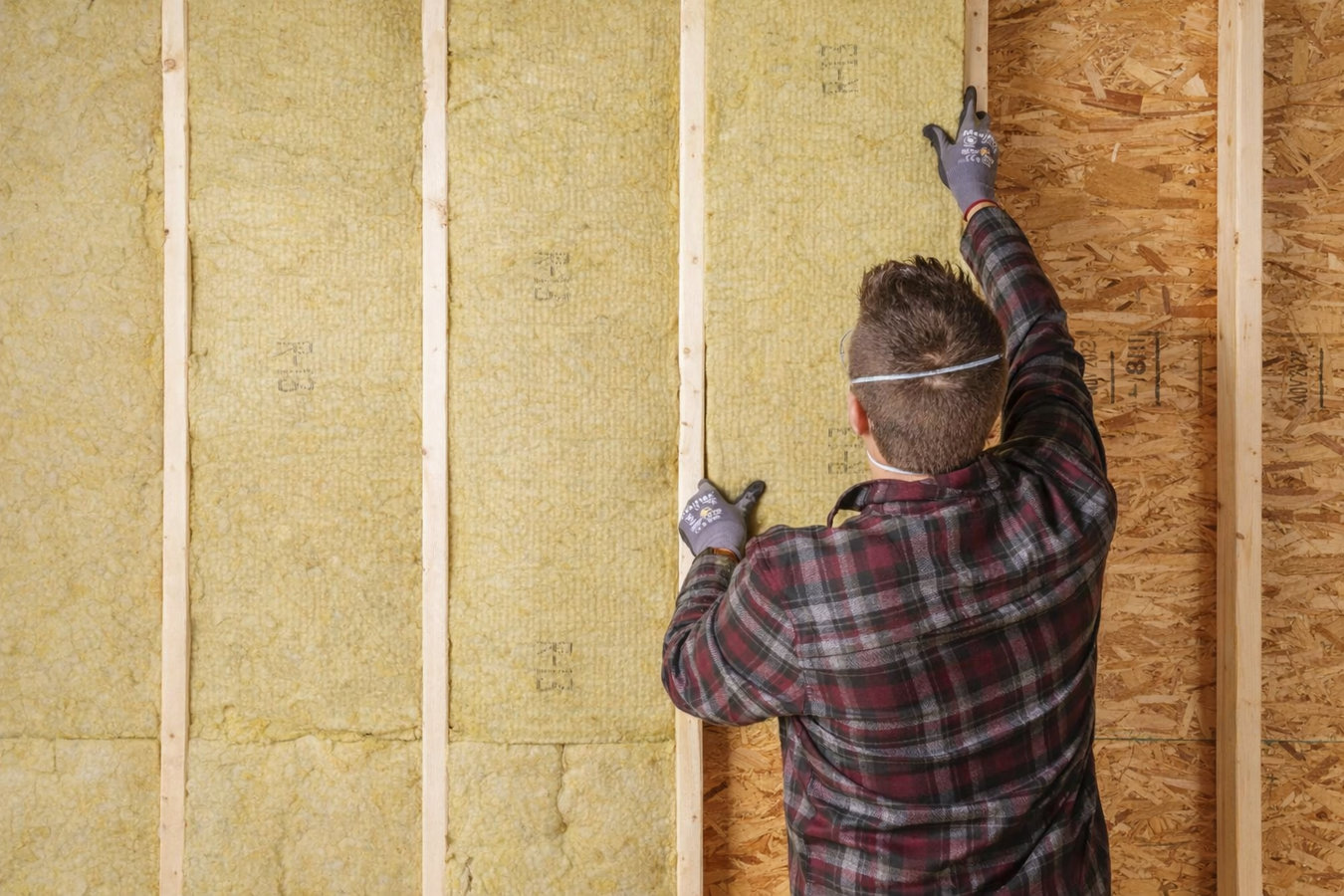
We install wall insulation using methods suited for existing homes where opening the drywall is not practical. The most common approach is dense-pack blown-in, where we drill small holes, fill the cavity completely under pressure so the material does not settle, then patch and paint. This technique works well for the wood-frame construction common throughout East Honolulu and leaves nearly no visible trace when done correctly. For homes undergoing a renovation where walls are already open, we can also install batt insulation or spray foam directly into the cavity.
Every job starts with a wall assessment - we check for existing moisture and identify which walls will give you the most return for your investment. Sun-exposed walls on the west and south sides of your home typically deliver the biggest comfort improvement first. We also check whether pairing the work with blown-in insulation in the attic makes sense, since the attic and walls together form your home's thermal envelope. Addressing both at the same time maximizes results and avoids a second round of scheduling and disruption.
Best for finished walls in existing East Honolulu homes where drywall removal is not practical.
Suited for open-wall renovations where an air-sealing and insulating layer in one product makes sense.
A good option for new construction or walls being opened for an unrelated renovation project.
We identify the walls with the highest heat gain so work delivers the clearest comfort and cost improvement.
East Honolulu has some of the highest residential electricity rates in the country, and that changes the math on insulation entirely. On the mainland, payback timelines are stretched because energy is relatively cheap. Here, every degree of heat your walls let in costs you more. Homes that were built during the post-war construction boom - which covers most of the housing stock in neighborhoods across East Honolulu - were designed with open-air ventilation as the primary cooling strategy, not insulated walls. Adding wall insulation to a home from that era is often one of the most cost-effective upgrades available.
The coastal location adds another layer of complexity. Salt air and high year-round humidity mean the wrong insulation material or a poorly sealed installation can trap moisture inside the wall cavity, creating conditions for mold and wood rot. This is one of the most important reasons to work with a contractor who has real experience in coastal Hawaii rather than one who learned the trade in a dry-climate state. Homeowners throughout Honolulu and East Honolulu face these conditions year-round, and material selection has to account for them. The U.S. Department of Energy provides guidance on moisture control that explains why humid climates require a different approach.
We respond within 1 business day. We will ask about your home's age, size, and any comfort issues you have noticed - and schedule a free in-home assessment. No cost, no commitment at this stage.
We walk through your home, check the walls - often with a probe or thermal camera - and identify where insulation is missing or thin. You get a written estimate with the method and cost clearly explained.
For blown-in work, we drill small holes, fill the cavities, and patch the openings in one visit. You can stay in your home. We protect surrounding surfaces and clean up before we leave.
Before we leave, we walk you through what was done. We can provide photos of the completed work inside the wall cavity if holes have been patched, so you have confirmation the coverage is complete.
Free estimate, no pressure. We explain what we find and what it will cost before any work begins.
(808) 809-8779Insulation that works in a cold-climate state can cause moisture problems in East Honolulu if installed without accounting for how walls breathe here. We choose materials and methods specifically suited to coastal Oahu's heat, humidity, and salt air - so you get comfort without trading it for a mold problem.
A common worry after an insulation job is whether the material actually got into every part of the wall. We document our work with photos and thermal imaging where needed, so you have proof of complete coverage - not just a verbal assurance - before we drive away.
A large share of East Honolulu's homes were built between the 1950s and 1970s - a period when walls were often left empty. We have assessed and insulated dozens of homes from that era and know the construction patterns, access challenges, and material choices that get the best results in those specific walls.
The City and County of Honolulu may require permits for certain wall work, and the rules depend on your specific project scope. We check permit requirements upfront and handle any required filings on your behalf - so you are protected if you ever sell your home. The Honolulu Department of Planning and Permitting maintains the requirements we follow.
Every wall insulation job we do is grounded in real knowledge of East Honolulu homes and Hawaii's climate - not a mainland playbook applied to the islands. That difference shows up in how the work holds up over time.
Close the gaps that let humid outdoor air sneak through walls and ceilings - the natural next step after adding wall insulation.
Learn moreFill attic floors with loose-fill material to block heat radiating down from the roof into your living space.
Learn moreHawaii's electricity rates mean every month without proper wall insulation costs you real money - call today and we will assess your home at no charge.