Loading...
Serving East Honolulu, HI and surrounding areas. (808) 809-8779
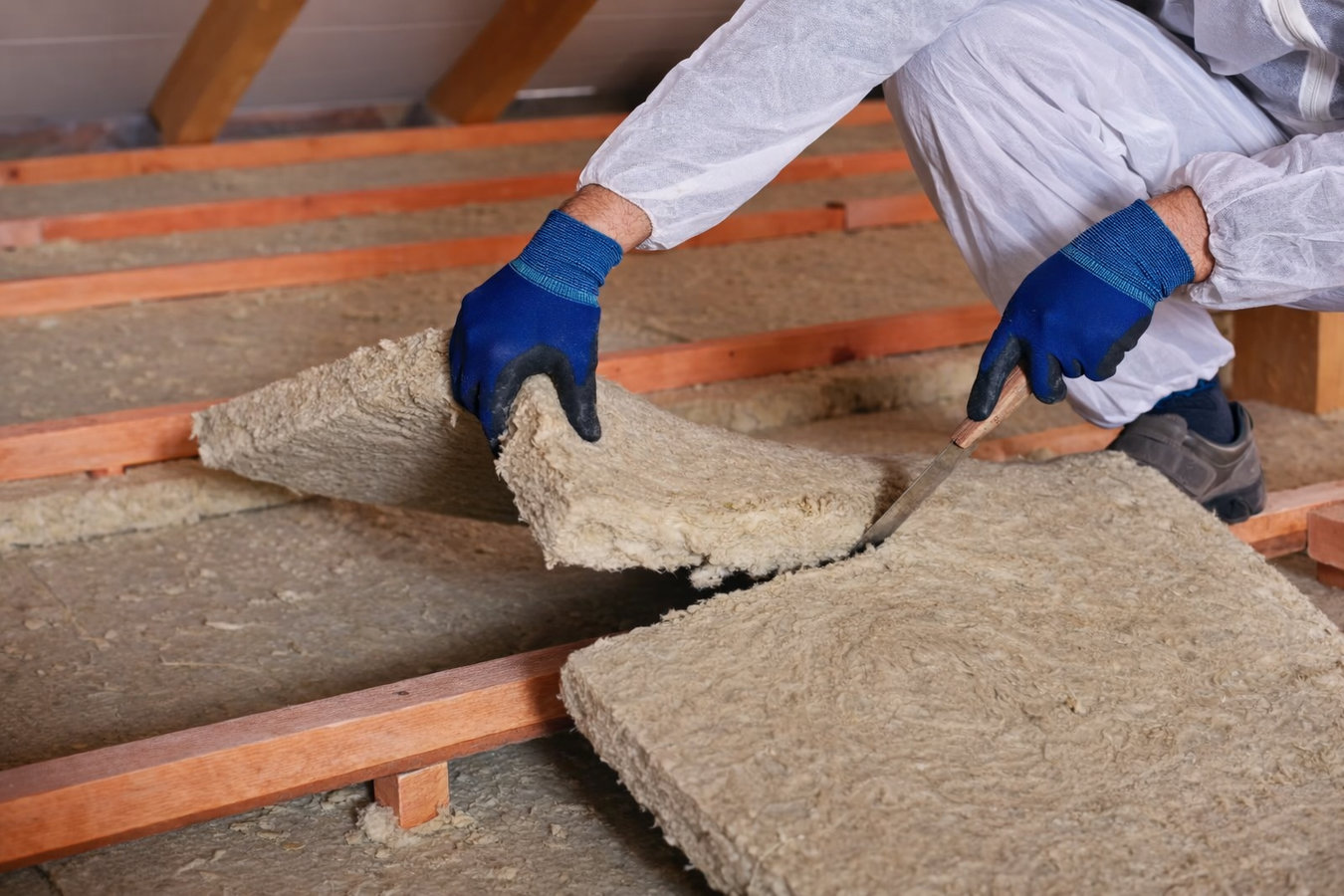
Old, wet, or pest-damaged insulation cannot be fixed by adding more on top. We remove it completely, handle all disposal, and leave your attic ready for what comes next.
Insulation removal in East Honolulu uses industrial vacuums and hand tools to pull old or damaged material out of your attic so the space is clean and dry before new insulation goes in - most single-family attic jobs are finished in one day. Simply adding new material on top of degraded insulation is a shortcut that locks in moisture, pest waste, and mold without resolving any of them.
In East Honolulu, where trade winds carry consistent moisture into attic spaces year-round and a large share of the housing stock dates to the post-war decades, insulation removal is often the first step toward a home that actually stays comfortable. Many homeowners discover the problem after a pest issue or a roof repair uncovers what has been quietly degrading above their ceilings for years. Pairing removal with retrofit insulation replacement on the same project saves time and gets your home performing well faster.
We include all disposal costs in our written quotes - no separate invoices after the fact. Hawaii has specific regulations for insulation waste disposal, and we follow them completely. For more detail on what the Hawaii Department of Health Solid Waste Branch requires, their site covers disposal rules for Oahu.
A persistent musty odor that seems to come from the ceiling or upper walls often points to mold or moisture trapped in old insulation. East Honolulu's year-round humidity creates exactly the right conditions for this to develop slowly over years. If you have had the smell checked and no obvious source has been found, the attic insulation is worth inspecting before adding anything new on top.
Healthy insulation has some loft to it - it should look fluffy and consistent. If you peek into your attic and the material looks flat, patchy, dark in spots, or damp, it is no longer performing the way it should. Discoloration in particular can signal moisture damage or pest activity, both of which are reasons to remove rather than add on top.
Many East Honolulu homes from the post-war era in neighborhoods like Aina Haina, Niu Valley, and Hawaii Kai still have their original insulation. After 40 to 50 years in Hawaii's climate, that material is almost certainly compressed and degraded. If you do not know when your insulation was last replaced, that uncertainty alone is a good reason to have someone assess it.
If you have dealt with rodents or insects in your attic - even once, even years ago - there is a real chance the insulation was affected. Pest waste breaks down insulation and creates health risks that do not resolve on their own. In East Honolulu, where warm and humid conditions are year-round, this is a more common situation than most homeowners realize until the attic is inspected.
We handle the full removal process from start to finish - industrial vacuums pull material out of the attic, workers bag it on-site, and we haul everything away for disposal at an approved facility. We inspect the attic before giving a quote so you get an accurate number, not a ballpark that changes after we see the space. If there is any question about what type of material is present in older homes, we assess it carefully before work begins and recommend testing when appropriate. Crawl space insulation removal is also available for homes with under-floor material that has been compromised by moisture or pests.
Once the attic is clear, we walk you through what we found - gaps, signs of pest activity, any openings that should be sealed before new material goes in. We photograph the finished space so you have documentation. If you are moving forward with new insulation, retrofit insulation can typically be scheduled within the same week as the removal. Pest decontamination and attic sanitization are included when pest contamination is found - we do not leave that step out to keep the price low.
Complete removal by industrial vacuum for single-family homes, with full disposal and photographic documentation of the finished space.
Suited to homes with pier-and-beam construction where under-floor material has absorbed moisture or pest activity has been confirmed.
Pre-removal inspection and testing recommendation for homes built before 1980 where material type is unknown.
Full sanitation after pest-contaminated material is removed so the space is genuinely clean, not just empty.
East Honolulu sits on the windward-leaning side of Oahu, where trade winds carry consistent moisture into attic spaces throughout the year. That humidity works into older insulation over time, compressing it, reducing its effectiveness, and creating conditions where mold can quietly take hold. What this means in practice is that insulation removal here is often messier and more involved than a dry-climate job - wet material is heavier, harder to vacuum cleanly, and more likely to have mold present that needs to be addressed before anything new goes in. Homeowners across Kailua and East Honolulu deal with the same windward moisture challenge, which is why we inspect every attic in person before quoting.
A significant share of the housing stock in East Honolulu neighborhoods like Aina Haina, Niu Valley, and Hawaii Kai dates to the 1950s through 1970s. Homes of that era were often built with minimal insulation by today's standards, and some contain materials that require careful handling during removal. Beyond the age of the homes, pest pressure in East Honolulu is higher than in most mainland markets - rodents and insects find their way into attics in this warm, humid climate, and once pest waste contaminates insulation, the job grows beyond simple vacuuming. Homeowners in Honolulu and across the east side have found that skipping proper sanitation after contaminated removal is not a savings - it leaves the health risk in place. We include sanitization when it is needed and explain exactly why before we add it to the scope.
We respond within 1 business day. We will ask about your home's age, whether you have noticed moisture or pest signs, and roughly how large your attic is. This helps us come prepared so the on-site visit is productive, not a second guessing session.
We inspect the attic in person before giving you any numbers. We look at the type and condition of the existing insulation, any moisture or pest signs, and how accessible the space is. You receive a written itemized quote covering labor, disposal, and any testing costs separately.
The crew sets up protective floor coverings along the work path, runs industrial vacuum hoses through to the attic, and bags all material for disposal. Most single-family attic jobs run four to eight hours depending on the size and condition of the space. You can stay home, though many homeowners step out because the vacuums are loud.
Once the material is out, we vacuum the attic surfaces and show you the finished space - photos included. We haul everything to an approved disposal facility and can provide documentation if you ask. If new insulation is next, we discuss any gaps that should be sealed before the install.
Free on-site assessment - no charge and no obligation. We itemize every cost in writing before any work begins.
(808) 809-8779Disposal fees in Hawaii are higher than national averages because of Oahu's limited landfill capacity. We include every disposal cost in your written quote before work begins - no separate invoices after the job that change your total. What you agree to is what you pay.
Every removal job comes with a written scope up front and documented results when we finish, so you always have a record of what was done. We show you photos of the cleared space and provide disposal documentation on request - no guesswork about the work performed.
East Honolulu's warm, humid climate means pest-contaminated attics are common. We do not pull out the material and call the job done if pest waste is present - we sanitize the space so the health risk and odor are actually gone, not just hidden. That step is included in the scope when it is needed, not added as a surprise at the end.
We work throughout East Honolulu and surrounding Oahu communities, from Aina Haina and Niu Valley to Hawaii Kai and Portlock. We know the housing stock in these neighborhoods because we have worked in them - the post-war construction, the hillside lots, and the salt-air conditions that affect older homes here.
Every removal job we do is documented with photos and a written scope so you know exactly what was done and why. That record protects you if questions come up later - whether from a buyer, an inspector, or a permit review.
For permit questions, the Honolulu Department of Planning and Permitting handles all Oahu building permit inquiries.
Insulate the space beneath your floors to reduce heat gain and block ground moisture from entering your living areas.
Learn moreInstall new insulation in an existing home after the old material has been cleared and the space is ready.
Learn moreOld insulation does not improve on its own - call today for a free on-site assessment and a written quote with every cost spelled out before work begins.