Loading...
Serving East Honolulu, HI and surrounding areas. (808) 809-8779
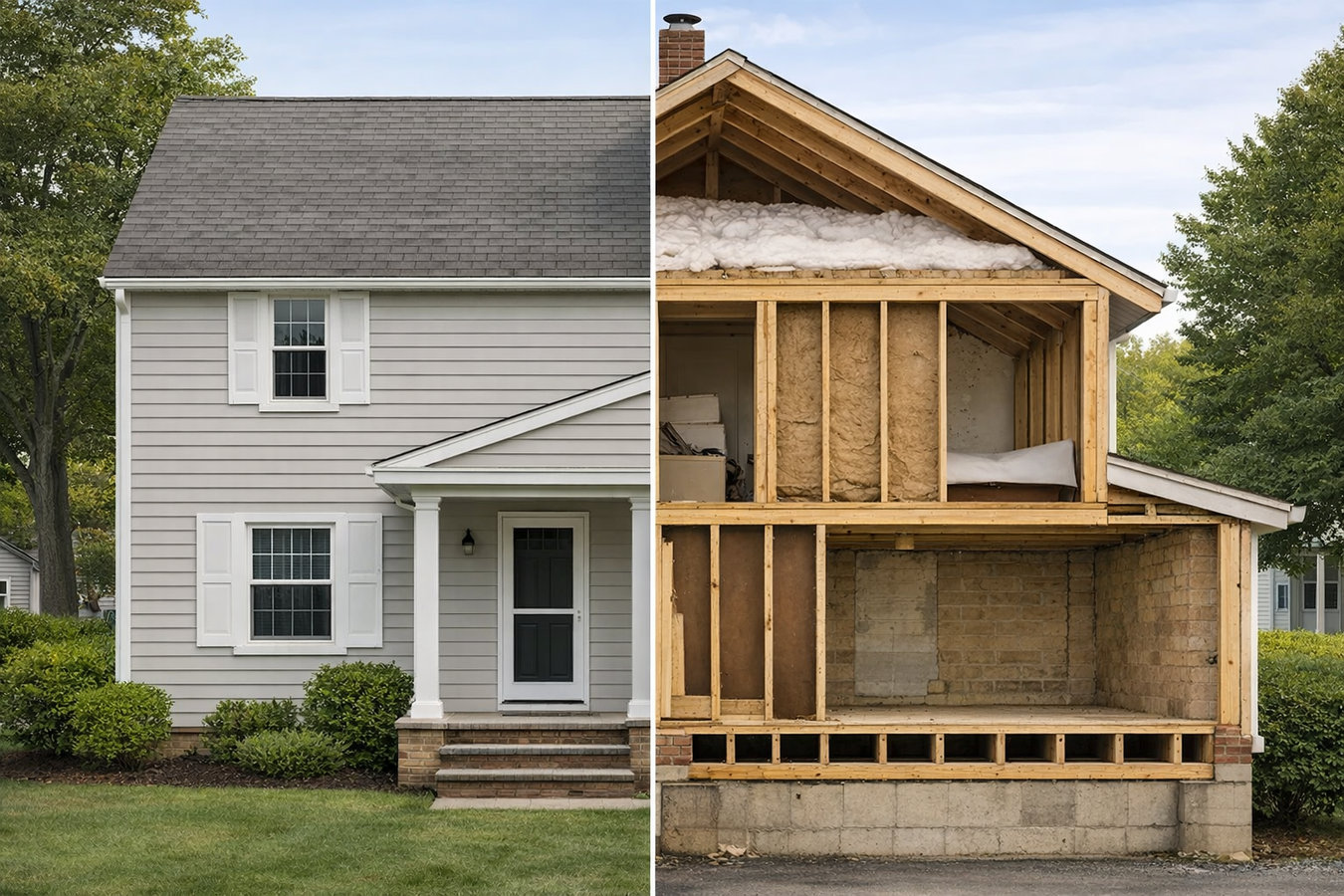
Hawaii electricity is expensive and your home should not be making that worse. Proper home insulation keeps heat out, your AC running less, and your monthly bill where it belongs.
Home insulation in East Honolulu keeps heat out rather than trapping it in - most attic jobs are completed in a single day and show up on your electric bill within the first month. The sun heats your roof all day long, and without enough insulation between the roof and your living space, that heat radiates straight down. Your air conditioner runs harder, costs more, and still leaves rooms feeling warm in the afternoon.
East Honolulu is home to some of the oldest residential housing stock on Oahu. Many homes in Hawaii Kai, Aina Haina, Niu Valley, and Kuliouou were built in the 1950s through 1970s - before energy efficiency was a design priority. If your home is in that age range and has never had insulation work done, the attic is the most important place to start. Adding insulation there delivers the single biggest improvement in thermal performance you can make for the cost. Pair it with insulation removal if the existing material has degraded, or with retrofit insulation if walls and other areas need coverage as well.
Hawaii homeowners pay roughly two to three times the national average for electricity. That changes the math on insulation upgrades significantly - improvements that might take a decade to pay for themselves on the mainland pay off much faster here.
If your system runs almost nonstop to maintain a comfortable temperature but never quite gets there, your home may be letting in more heat than it can remove. In East Honolulu, where the sun is strong year-round and electricity is expensive, this is one of the clearest signs your attic or walls are not doing their job. A new AC unit will not fix a thermal envelope that is working against you.
If a bedroom or living area gets uncomfortable in the afternoon even with the AC on, heat is likely radiating through an under-insulated ceiling or wall. This is especially common in East Honolulu homes with west- or south-facing rooms that take the full force of the afternoon sun. It is a sign that insulation is either missing or has thinned out significantly over the years.
Homes built in neighborhoods like Aina Haina, Niu Valley, and Hawaii Kai during the 1950s through 1970s were often constructed with little or no attic insulation by today's standards. If you have never had the attic assessed and your home is in this age range, there is a reasonable chance you are losing significant cooling efficiency every day. A quick inspection will tell you exactly where you stand.
In East Honolulu's humid climate, old or improperly installed insulation can absorb moisture and become a breeding ground for mold. If you notice a musty smell near vents or in closets, or if you have seen water stains on ceilings after heavy rain, it is worth having someone check the condition of your insulation. Damaged insulation does not just underperform - it can affect your indoor air quality.
We start every job with a full assessment of your home's thermal envelope - attic, walls, and any crawl spaces or other areas that may be letting heat in. Blown-in loose-fill and spray foam are the most common options for Hawaii homes because both handle humid conditions better than standard fiberglass batts and can reach irregular spaces in older construction. If your existing insulation is degraded or moisture-damaged, we can handle insulation removal and replacement as part of the same project. For homes where walls have never been insulated, we offer retrofit insulation options that add coverage without tearing out finished surfaces.
Every job is scoped to what your specific home actually needs, not the largest project we can sell you. We also handle the Hawaii Energy rebate documentation as part of the work, so you receive any savings you are entitled to without having to navigate the paperwork yourself. Most homeowners in East Honolulu qualify for at least partial rebate coverage on attic insulation upgrades.
The highest-impact starting point for most East Honolulu homes - blocks heat from entering through the roof all day long.
Adds coverage to exterior walls in older homes that were built without it, reducing afternoon heat gain and street noise.
Removes degraded or moisture-damaged material before new insulation is installed, so you are not covering up an existing problem.
Adds insulation to existing walls and finished spaces without requiring a full tear-out - suited to older homes that were never insulated.
East Honolulu stays warm and humid year-round, with temperatures typically between 75 and 88 degrees and humidity that rarely lets up. That combination is hard on homes - it accelerates the breakdown of older insulation materials, encourages moisture to work its way into attic spaces, and creates a constant demand on air conditioning systems that are already expensive to run. Homes in areas like Hawaii Kai, built largely in the 1960s and 1970s, are reaching the age where original insulation - if it was installed at all - has often compressed or deteriorated enough to make a meaningful difference. We serve homeowners throughout East Honolulu and understand how this specific climate shapes what each job requires.
Hawaii electricity rates are roughly two to three times the national average, according to the Hawaii State Energy Office. That means every percentage point of improvement in your home's thermal performance translates into real monthly savings - not a vague long-term payback, but a difference you see on your bill. Homeowners across Honolulu and East Honolulu who invest in proper insulation are protecting both their comfort and their budget from a problem that only gets more expensive to ignore.
We respond within 1 business day. We will ask a few basic questions about your home - size, age, and what is prompting you to call - and schedule a free in-home assessment. No cost, no obligation.
We walk through your home starting with the attic, check what coverage is already there, measure the space, and look for moisture or ventilation issues that should be addressed first. This visit typically takes 30 to 60 minutes and is free.
You receive a written quote that breaks down materials, labor, any permit requirements, and the total cost. We note whether Hawaii Energy rebates apply and how we handle that documentation. Take your time reviewing it - there is no pressure to sign on the spot.
The crew arrives with equipment and materials and completes most attic jobs in four to eight hours. Before they leave, they walk through the finished work with you so you can see the coverage yourself. A permit inspection, if required, is scheduled by us - you just need to be available.
We respond within 1 business day - no obligation, no pressure. After you submit, someone from our office will call to schedule a free in-home assessment at your convenience. We will check your attic and envelope, explain exactly what we recommend, and give you a written quote before any work begins.
(808) 809-8779Our crews work on East Honolulu homes every week and give you a written scope before starting. You know exactly who is coming to your home and what the job involves throughout the work.
We serve East Honolulu, Hawaii Kai, Aina Haina, Niu Valley, and communities across Oahu. We understand how the age and construction of local homes shapes what each insulation project actually requires.
In East Honolulu's humid climate, installing insulation over an existing moisture problem makes things worse, not better. We inspect for moisture and ventilation issues before recommending anything - and we will tell you if something needs to be addressed first.
Hawaii Energy rebates require specific documentation completed at the time of installation. We handle this as part of every qualifying job so you receive the savings you are entitled to without having to navigate the process yourself.
These proof points answer the questions East Honolulu homeowners ask most often before committing to an insulation project. Choosing an insulation company comes down to experience, local knowledge, and a clear written scope - we built our process around all three. See our full background on the About page.
For rebate program details, visit Hawaii Energy residential rebates. For permit information, see the Honolulu Department of Planning and Permitting.
Safe removal of old, degraded, or moisture-damaged insulation before new material goes in - the right first step when existing material is past its useful life.
Learn moreAdds insulation coverage to existing walls and finished spaces without a full tear-out - ideal for older East Honolulu homes that were never properly insulated.
Learn moreHawaii Energy rebates are available now - schedule your free assessment before the program availability changes and before the next hot stretch hits.