
Loading...
Serving East Honolulu, HI and surrounding areas. (808) 809-8779
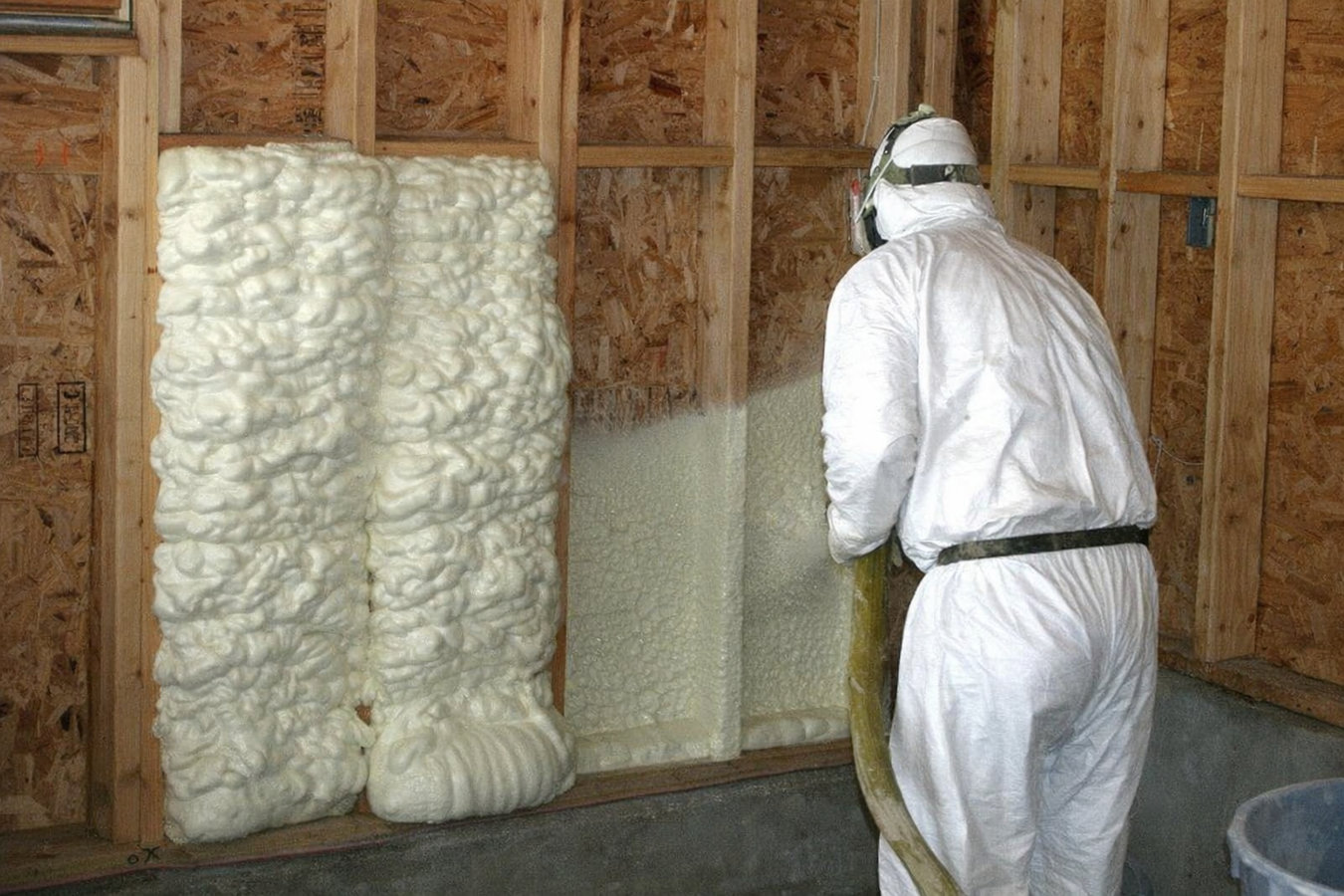
Your walls and attic let in heat and humid air every day. Open-cell foam seals those entry points and insulates at the same time - no separate air sealing step required.
Open-cell foam insulation in East Honolulu is sprayed as a liquid into walls, attics, or crawl spaces where it expands to fill every gap and crack, sealing out heat and humid air in one step - most residential jobs are completed in a single day. Unlike traditional batt insulation, which only slows heat transfer through solid material, open-cell foam addresses air infiltration and thermal resistance at the same time.
In East Honolulu, where temperatures stay warm year-round and the trade winds carry consistent ocean moisture, keeping outside air out is just as important as adding insulation depth. Homes in neighborhoods like Aina Haina, Niu Valley, and Hawaii Kai were often built before modern energy standards required meaningful insulation - many have walls and attics that are barely slowing the heat at all. Pairing open-cell foam with thorough closed-cell foam insulation guidance helps you choose the right product for each part of your home.
The U.S. Department of Energy recommends addressing both insulation depth and air sealing together for the best thermal performance - open-cell foam handles both in a single application.
If your air conditioner is working hard but rooms still feel hot or muggy, outside air is getting in through gaps in walls, ceilings, or around fixtures. In East Honolulu's warm, humid climate, even small air leaks let in a steady stream of heat and moisture your AC has to constantly fight. Open-cell foam seals those entry points so your cooling system can actually keep up.
Hawaii has some of the highest electricity rates in the country, and a poorly insulated home can cost hundreds of dollars more per year to cool. If your monthly bill feels out of proportion to your home size, inadequate insulation is one of the first things worth investigating. An assessment can tell you quickly whether your current insulation is doing its job.
East Honolulu's trade winds bring consistent moisture. When warm, humid air meets a cooler interior surface it leaves visible moisture or mold spots. This is a sign that humid outside air is entering your home's structure - exactly the kind of air infiltration open-cell foam is designed to stop. Getting an assessment early prevents more serious damage later.
Homes built in East Honolulu before modern energy codes often have little or no insulation in walls and minimal coverage in the attic. You can sometimes confirm this by looking in your attic - bare rafters with nothing between them and the roof deck mean your home is almost certainly under-insulated. A quick inspection will confirm the situation.
We install open cell spray foam in attics, wall cavities, and crawl spaces throughout East Honolulu. Every job starts with a moisture and ventilation check - we will not spray foam over an existing moisture problem because it will underperform from day one. We also assess whether a vapor retarder makes sense on the interior side for areas of your home that see particularly high humidity, and we explain that recommendation in plain terms before work begins. For homeowners who need maximum moisture resistance in addition to thermal performance, closed-cell foam insulation is an alternative worth comparing.
We handle permit applications on your behalf for work that requires Honolulu DPP review, and we are familiar with what the Spray Polyurethane Foam Alliance recommends for quality installation in warm, humid climates. At the end of every job we walk you through the completed work so you can see exactly what was done and where. If a permit was pulled, we coordinate the inspector visit so that step does not fall on you.
Best for East Honolulu homes where heat gain through the roof is the primary comfort problem.
Suited to older homes where wall insulation is minimal or absent and re-insulation without major demo is a priority.
Addresses moisture and heat entry through raised floors common in East Honolulu hillside homes.
We pull required permits and coordinate city inspections so the project is on record and fully compliant.
East Honolulu sits on the southeastern slopes of Oahu, where trade winds bring consistent moisture off the ocean and temperatures stay warm all year. Unlike mainland homes where insulation is mainly about keeping winter cold out, your challenge is almost entirely about keeping heat and humid air out. Open-cell foam addresses both at once - sealing air gaps and slowing heat transfer - which makes it particularly well-suited to this climate compared to older insulation types that only slow heat without sealing air. Homeowners in East Honolulu deal with these conditions every single day, with no cold mainland winter to give their homes a break.
A significant portion of homes in neighborhoods like Hawaii Kai and Aina Haina were built between the 1950s and 1980s, when insulation requirements were minimal or nonexistent in Hawaii. Those homes have been working against themselves for decades - letting heat and humidity in while making cooling systems work harder than they should. East Honolulu sits adjacent to Honolulu proper, and our crews cover the full east side so your home does not have to wait weeks for a local appointment.
We respond within 1 business day. We will ask about your home's age, the areas you want insulated, and any known moisture history. No cost, no commitment at this stage.
We visit to measure the area, check for moisture or ventilation issues, and confirm whether a permit is required. You receive a written quote within a few days that breaks down exactly what is included.
If a permit is required, we handle the application with the Honolulu DPP. Once permits are in hand, we schedule the installation day and tell you exactly how to prepare - including how long to stay out of the home.
The crew sprays the foam, which expands and firms up within seconds. We give you a specific re-entry time before leaving and walk through the completed work with you so you can see every area that was covered.
Free estimate, no pressure. We respond within 1 business day and handle permits so you do not have to.
(808) 809-8779Our crews install open-cell foam across Oahu every week and give you a written scope before starting. You know exactly who is coming to your home and what the job involves - not a crew you have never met showing up unannounced.
We know which open-cell foam projects require a permit through the City and County of Honolulu Department of Planning and Permitting and handle the application ourselves. Permitted work is on record and inspected, which matters if you sell your home or need to show the work was done to code.
We serve all 12 communities in our area including East Honolulu, Honolulu, Hawaii Kai, Kailua, and Kaneohe. That local coverage means shorter wait times and crews who know East Honolulu's hillside home configurations, wind patterns, and humidity conditions from real experience.
East Honolulu's Ko'olau-facing slopes see different wind and moisture patterns than the drier leeward side of Oahu. We factor those local conditions into every job - assessing vapor retarder needs, checking existing moisture, and scheduling spray work during calmer morning hours to ensure proper curing.
Every one of these credentials reflects a real commitment to doing the job right in East Honolulu's specific climate. Local experience is not a marketing phrase here - it is the difference between foam that performs for decades and foam that looks fine on day one but underdelivers over time.
Insulation solutions for East Honolulu commercial buildings, addressing radiant heat, moisture risk, and Hawaii energy code compliance.
Learn moreHigher-density foam that provides a moisture barrier in addition to thermal performance, suited for East Honolulu coastal and high-humidity areas.
Learn moreHawaii's heat does not wait, and neither should your comfort. Call today or request a free estimate and we will respond within 1 business day.