Loading...
Serving East Honolulu, HI and surrounding areas. (808) 809-8779
Your attic is the biggest source of heat gain in a Hawaii home. Blown-in insulation fills every corner evenly and delivers results in a single day - without tearing anything apart.
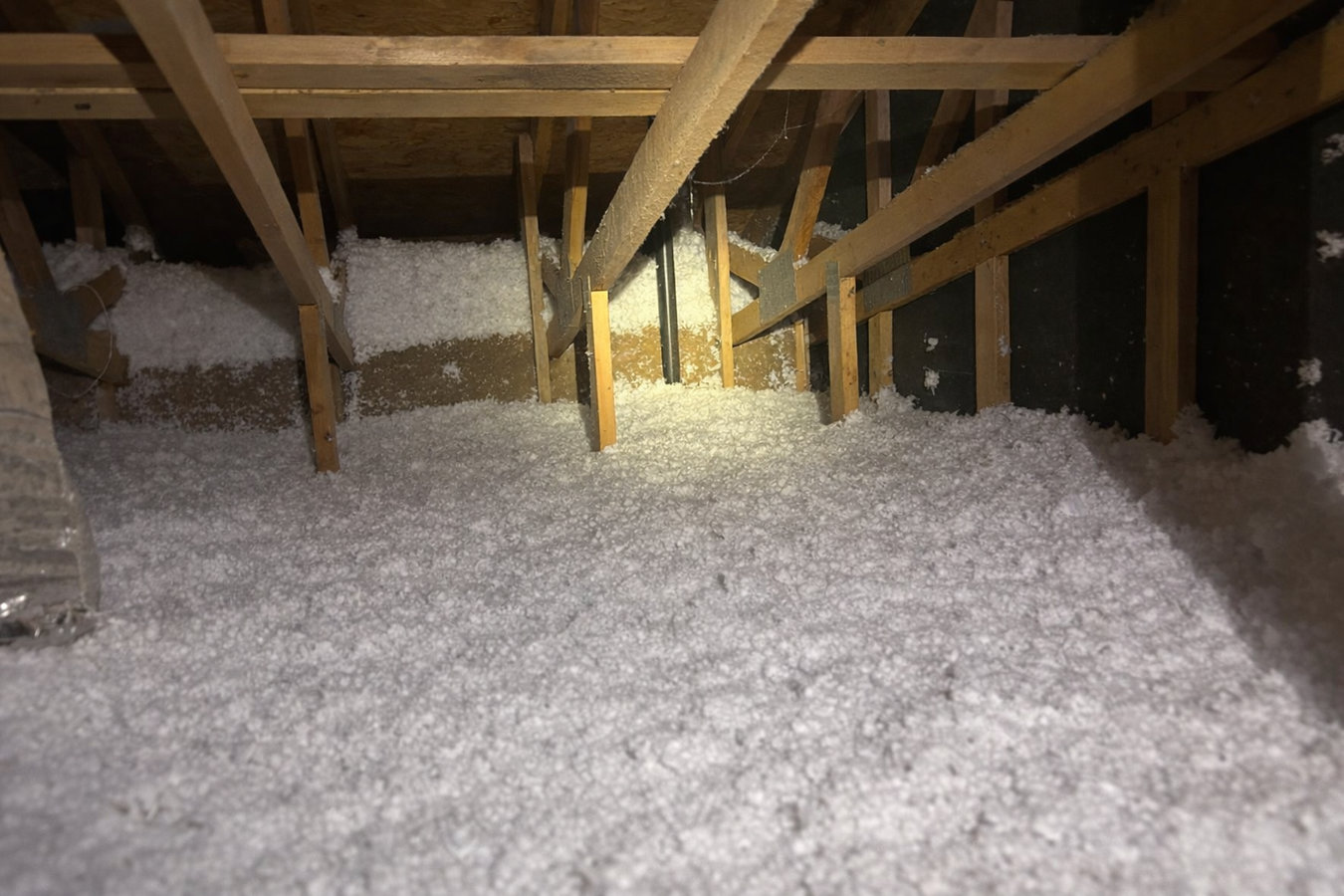
Blown-in insulation in East Honolulu fills your attic floor with loose cellulose or fiberglass material that blocks heat from radiating down into your living space - most jobs are completed in a single day. A blowing machine outside the house feeds material through a hose into your attic, filling gaps, corners, and irregular spaces that rigid batts simply cannot reach.
In East Honolulu, where the sun beats down on rooftops year-round and electricity costs are among the highest in the country, an under-insulated attic is one of the main reasons homes feel stuffy and bills run high. Many homes in neighborhoods like Aina Haina, Niu Valley, and Hawaii Kai were built before 1980 with little or no attic insulation - adding it today delivers one of the fastest paybacks of any home improvement. Pairing blown-in material with attic insulation work addresses both the material depth and any air sealing needs at the same time.
Hawaii Energy offers rebates for qualifying insulation upgrades, which can meaningfully reduce your out-of-pocket cost. We handle the documentation as part of the job so you do not have to chase it down yourself afterward.
If your unit runs constantly but upper floors or rooms directly under the roof stay stuffy and warm, your attic is likely letting outside heat pour in. In East Honolulu, afternoon temperatures on the slopes can climb into the upper 80s and the sun beats hard on rooftops. A poorly insulated attic acts like a heat collector sitting right above your living space.
If your Hawaiian Electric bill has been creeping up even though your habits have not changed, heat gain through an under-insulated attic is one of the most common culprits. Hawaii has some of the highest electricity rates in the country, so even a modest improvement in attic coverage can show up noticeably on your monthly statement.
If you peek into your attic and can see the wooden joists running across the floor with little covering them, your insulation has either settled down to almost nothing or was never adequate to begin with. Insulation in place for 20 to 30 years can compress and lose much of its original effectiveness - what looks like a full layer may be performing at a fraction of its original capacity.
East Honolulu's higher rainfall and humidity mean even a minor roof leak can wet out attic insulation over time. Wet insulation does not just stop working - it can hold moisture against your roof structure and create conditions for mold. If you have had any water intrusion, even one that was repaired, it is worth having someone check whether the insulation was affected.
We install both cellulose and fiberglass blown-in material and recommend the right option based on your attic conditions. Cellulose fills irregular spaces exceptionally well and carries a lower environmental footprint. Fiberglass is less prone to moisture absorption, which matters in coastal areas where humidity is a constant factor. Either way, every job starts with a moisture and ventilation check - we will not blow material over an existing problem. For attics where air leaks around light fixtures, pipes, or the hatch are a concern, we address those gaps before the insulation goes in. The most effective results come from combining proper attic insulation depth with sealed penetrations, so the material is not fighting air movement from below.
We also install depth markers in every attic we work in, so you can verify the coverage yourself after the job without any special tools or contractor knowledge. If anything looks off a month later, we come back and address it. We are also familiar with what Hawaii Energy requires for rebate documentation and handle that paperwork on your behalf.
Best for older East Honolulu homes with irregular attic spaces where complete fill coverage matters most.
Suited to coastal homes where lower moisture absorption is a priority alongside thermal performance.
Sealing gaps around fixtures and penetrations before insulation is added so material performs at full capacity.
Handling Hawaii Energy paperwork at the time of installation so you receive the rebate you are entitled to.
East Honolulu sits on the windward-facing slopes of the Ko'olau Range, which means it receives significantly more rainfall and humidity than the drier leeward side of Oahu. That moisture matters for insulation because it can work its way into attics, clump material, and reduce effectiveness over time. Before any blown-in job we check attic ventilation and look for signs of past moisture intrusion - not because we want to add work to the quote, but because insulation installed over an unaddressed moisture problem will underperform from day one. Homeowners across East Honolulu face these conditions year-round, with no dry mainland winter to give the attic a break.
The housing stock here compounds the issue. A large share of homes in areas like Honolulu and East Honolulu were built in the post-war decades, well before energy efficiency was a design priority. Many of those attics have little or nothing covering the joists. For a home that has never had insulation work done, adding blown-in coverage delivers the largest single improvement in thermal performance you can make - and the payback in lower cooling costs is faster here than almost anywhere else because of Hawaii's electricity rates.
We respond within 1 business day. We will ask a few basic questions - home size, age, any known moisture issues - and schedule a free in-home assessment. No cost, no commitment yet.
We check what is already there, measure the space, inspect for moisture and ventilation issues, and look for air leak points around fixtures and the hatch. This visit takes 30 to 60 minutes and is free.
You receive a written estimate spelling out the material type, depth to be installed, whether air sealing is included, and the total price. Hawaii materials cost more than mainland guides suggest - we explain exactly why. If a Hawaii Energy rebate applies, we note it in the quote.
The crew seals any air gaps first, then runs the hose into your attic and blows material across the full floor. Most jobs are done in a half-day to a full day. Before leaving, we show you the depth markers so you can verify coverage yourself.
We respond within 1 business day - no obligation, no pressure. After you submit, someone from our office will call to schedule a free in-home assessment at your convenience. We will check your attic, explain exactly what we recommend, and give you a written quote before any work begins.
(808) 809-8779Our crews install blown-in insulation across Oahu every week and give you a written scope before starting. You know exactly who is working in your home and what the job involves from the start.
From Aina Haina and Niu Valley to Hawaii Kai and Kuliouou, we know the homes here. We understand which attics face the most humidity from the Ko'olau windward exposure and how that affects what we recommend.
We place small depth-marker stakes in your attic before we leave so you can verify the coverage yourself with a flashlight and no special tools. You never have to take our word for it - you can check the work yourself a month later.
Missing the rebate paperwork at the time of installation is the most common reason homeowners lose money they were entitled to. We handle the documentation as part of the job so you receive your rebate without having to chase it down afterward.
Every proof point above addresses something East Honolulu homeowners ask about before hiring. We built our process around these questions so you have clear answers before committing. Learn more about our background on the About page.
For rebate details, see Hawaii Energy residential rebates. For insulation depth guidance, see the U.S. Department of Energy insulation guide and NAIMA homeowner resources.
A whole-home insulation assessment covering attic, walls, and floors - the right starting point if you have never had a full evaluation done.
Learn moreFocused attic coverage including ventilation checks and air sealing - pairs directly with blown-in material for complete thermal performance.
Learn moreHawaii Energy rebates are available now - book your assessment before the program availability changes.